
Stars, Stripes & Lone-Star Flags of the Americas
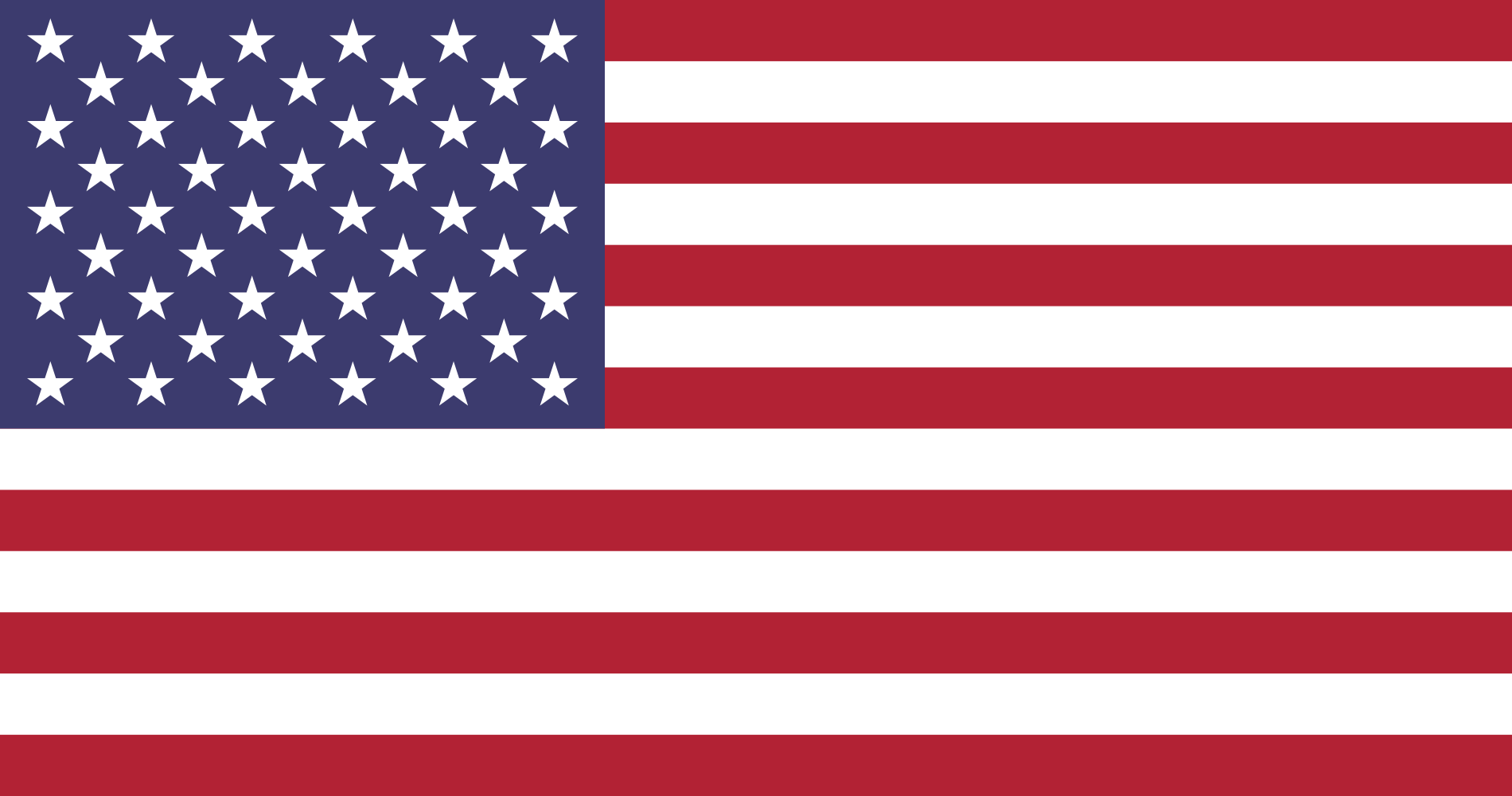
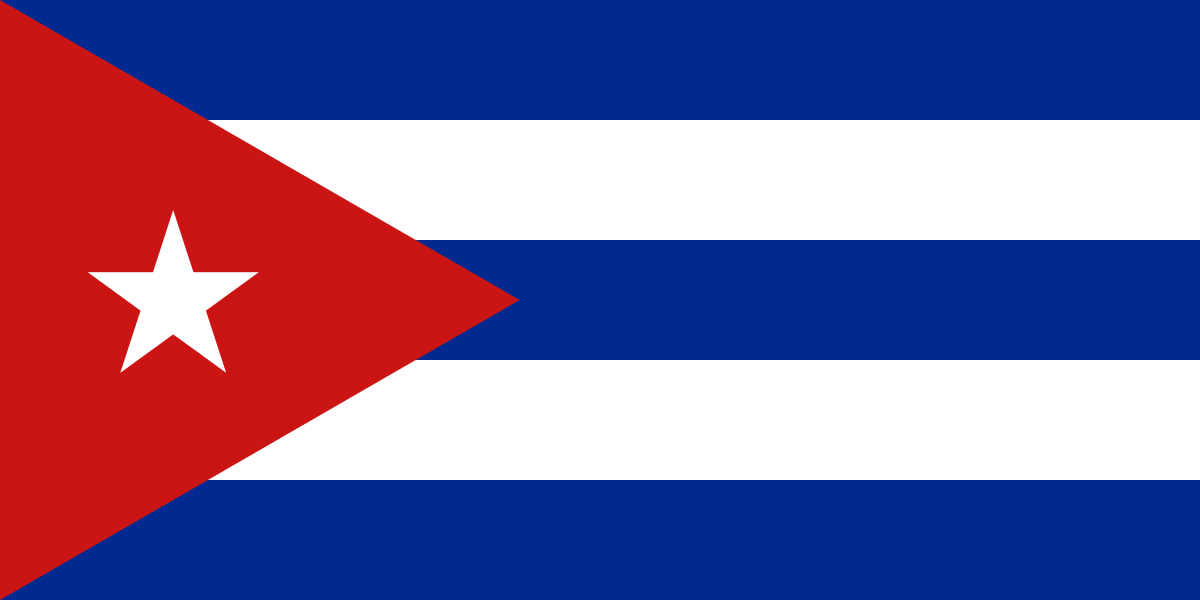
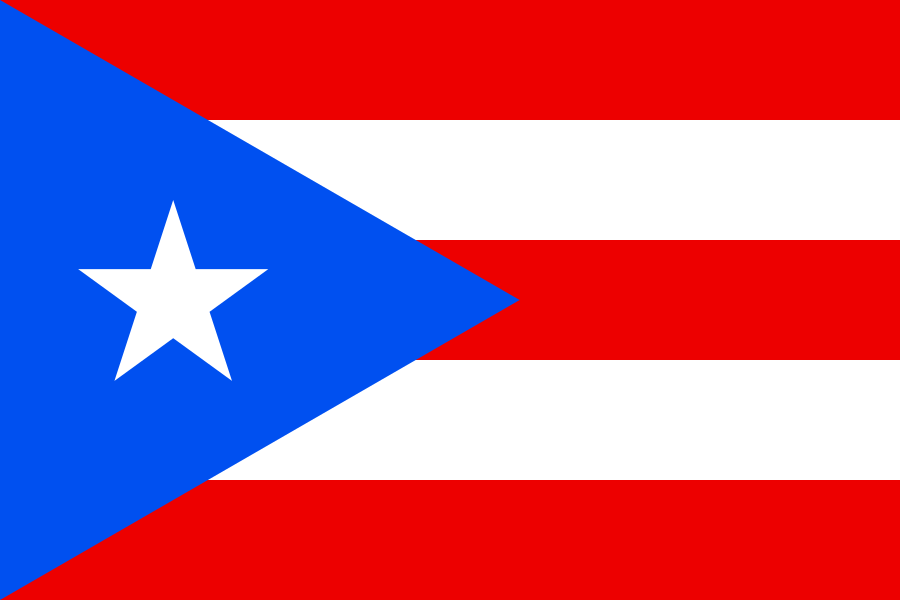
Compare the United States, Chile, Texas, Cuba, and Puerto Rico—five closely related flags combining red, white, and blue stripes with five-pointed white stars.
Vexillological background
In the decades after the 1777 United States Flag Resolution, flags across the Western Hemisphere—often said to have been influenced by it—combined the red, white, and blue palette with a five-pointed star into two distinct geometric sub-families: lone-star flags with the star on a blue canton or hoist stripe (Chile in 1817, Texas in 1839) and hoist-triangle five-stripe flags (Cuba in 1849, Puerto Rico in 1895).
Comparing these five banners side by side illustrates how rearranging the same three colors and white five-pointed stars produces unmistakable national and regional identities—while also creating two of the world's most famous look-alike pairs.
Flags in this collection (5)


Comparison table
| Entity | Category | Ratio | Layout | Primary colors | Adopted |
|---|---|---|---|---|---|
| United States | countries | 10:19 | canton canton | red, white, blue | 1960-07-04 |
| Cuba | countries | 1:2 | horizontal hoist triangle | blue, white, red | 1902-05-20 |
| Chile | countries | 2:3 | horizontal canton | red, white, blue | 1817-10-18 |
| Puerto Rico | territories | 2:3 | horizontal hoist triangle | red, white, blue | 1952-07-24 |
| Texas | regions | 2:3 | horizontal other | blue, white, red | 1839-01-25 |