
Visual Flag Explorer
Filter the flag catalog live by colors, layout pattern, symbols, and geographic region, or jump directly into a curated vexillological reference hub below.
Filter flags interactively
Showing all 20 flags in the catalog.
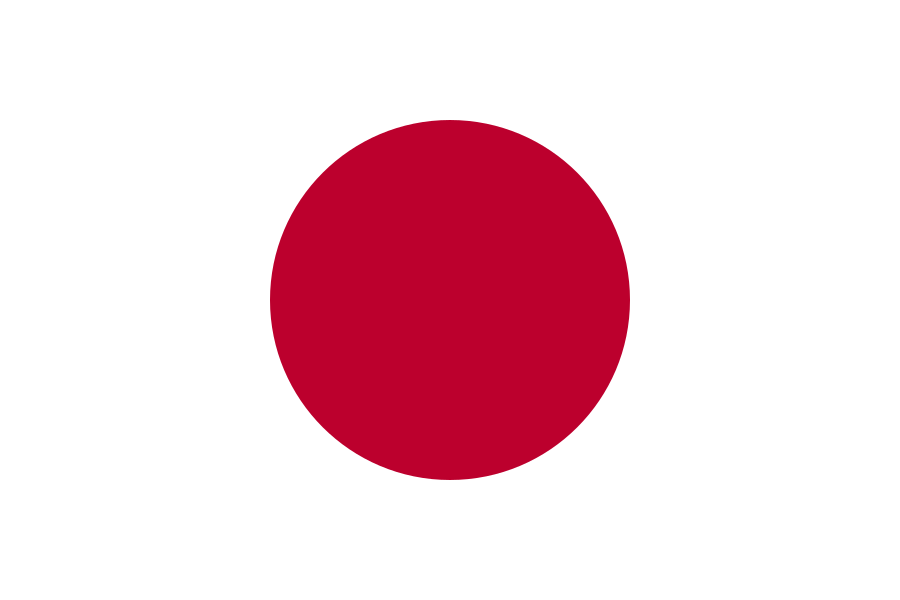 Japan
Japan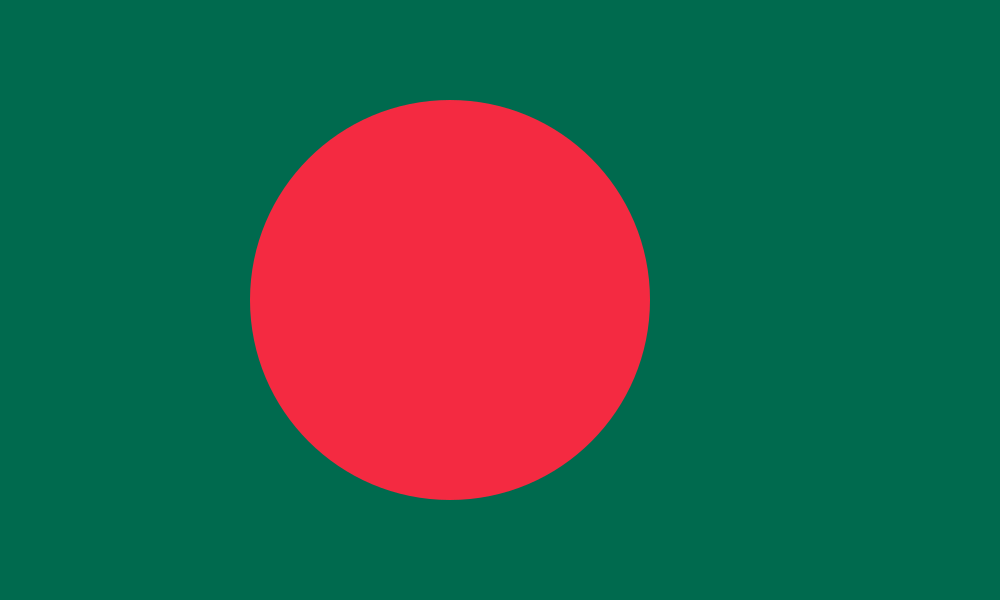 Bangladesh
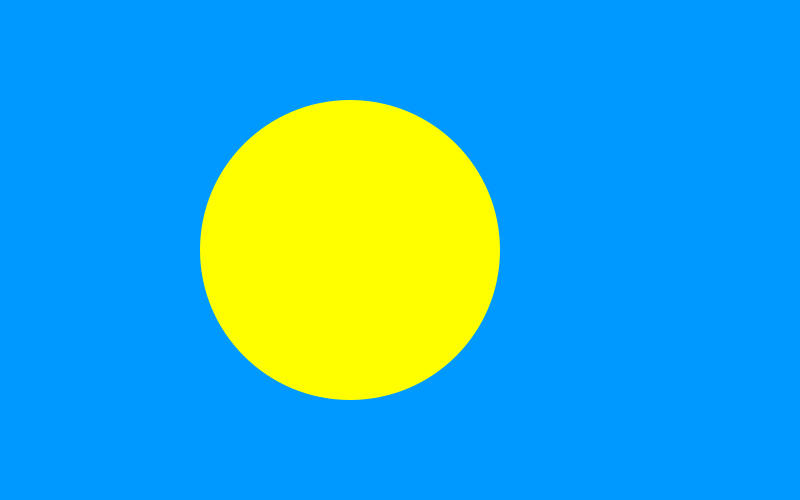 Palau
Palau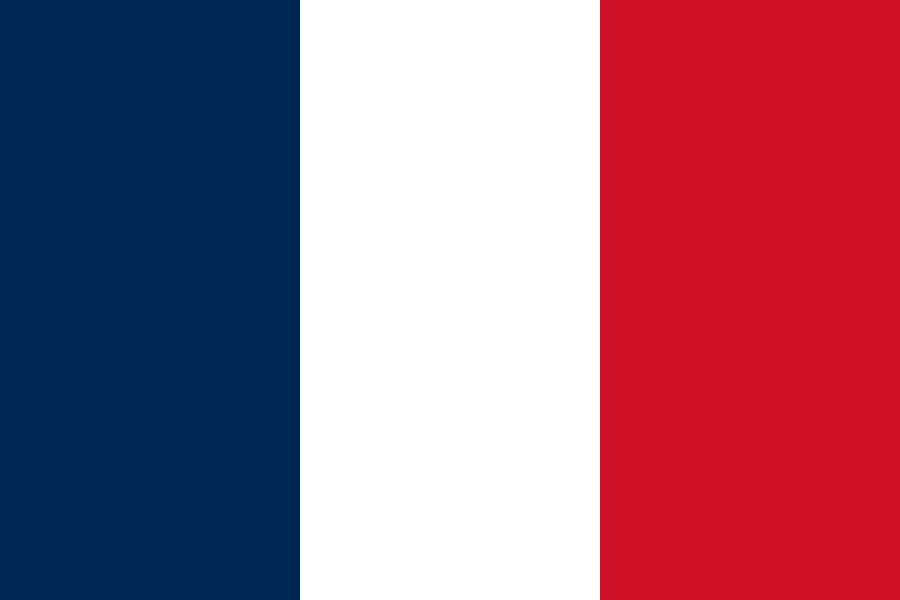 France
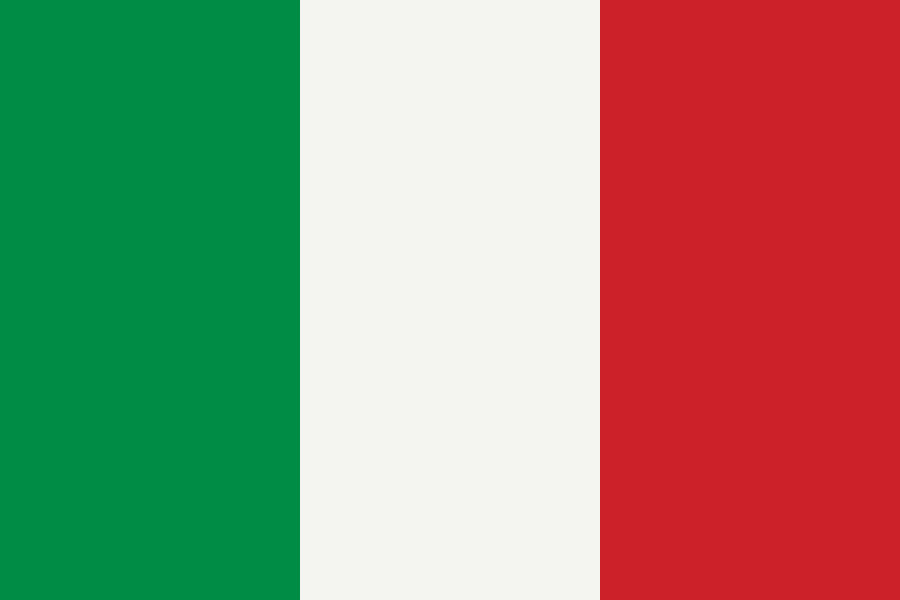 Italy
Italy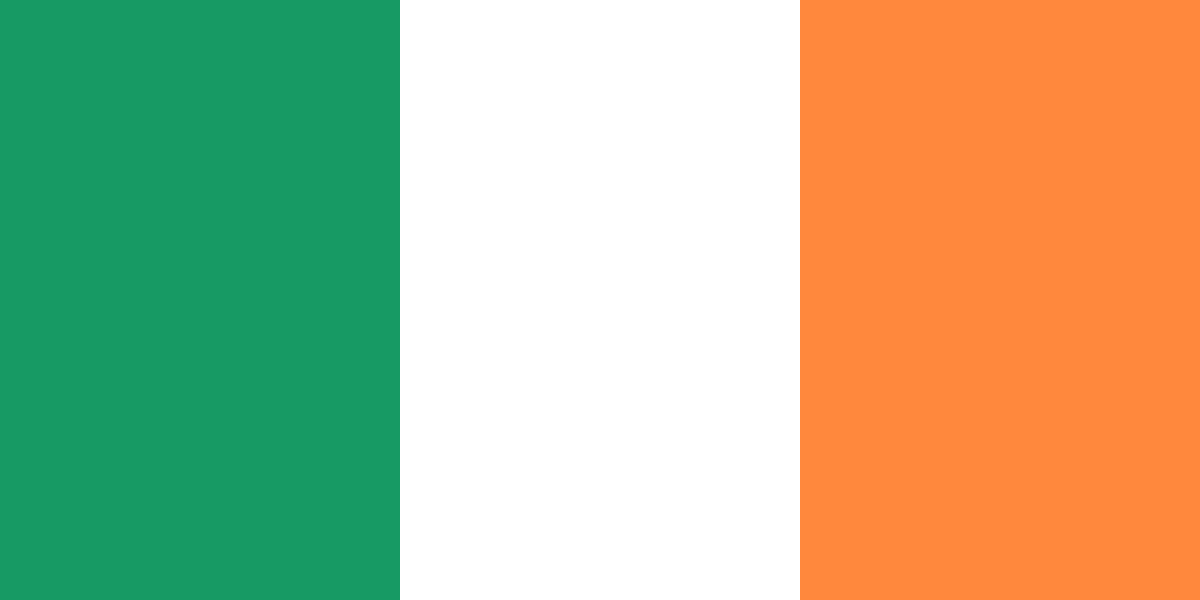 Ireland
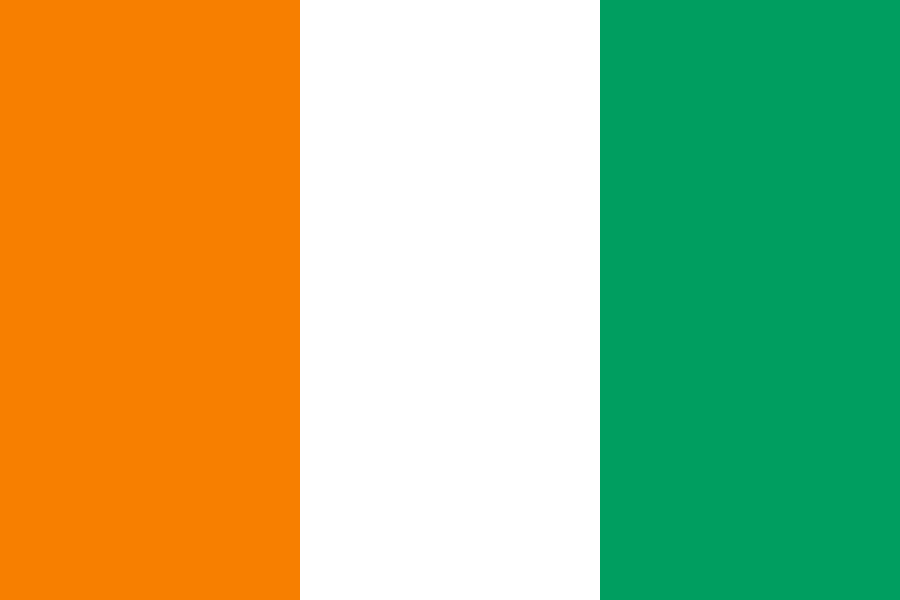 Côte d'Ivoire
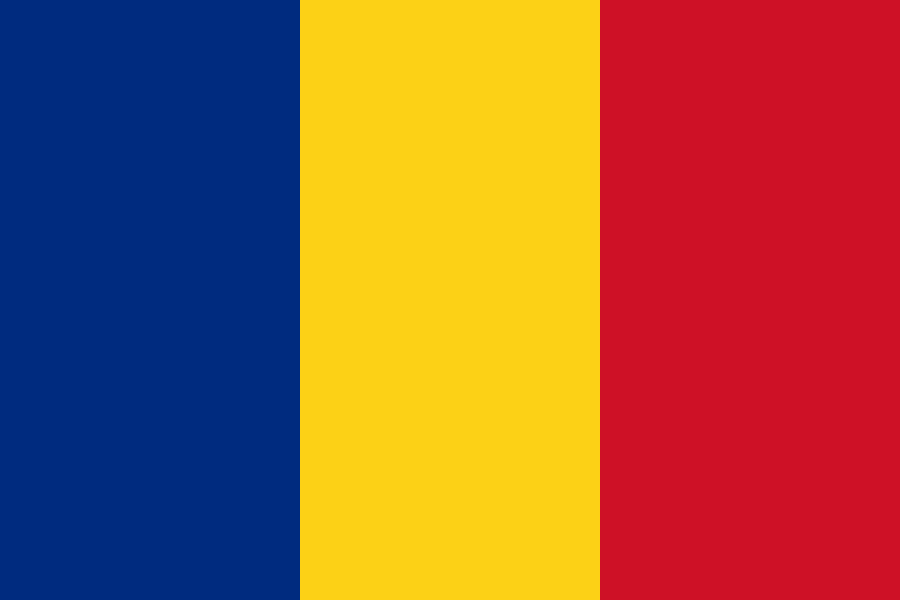 Romania
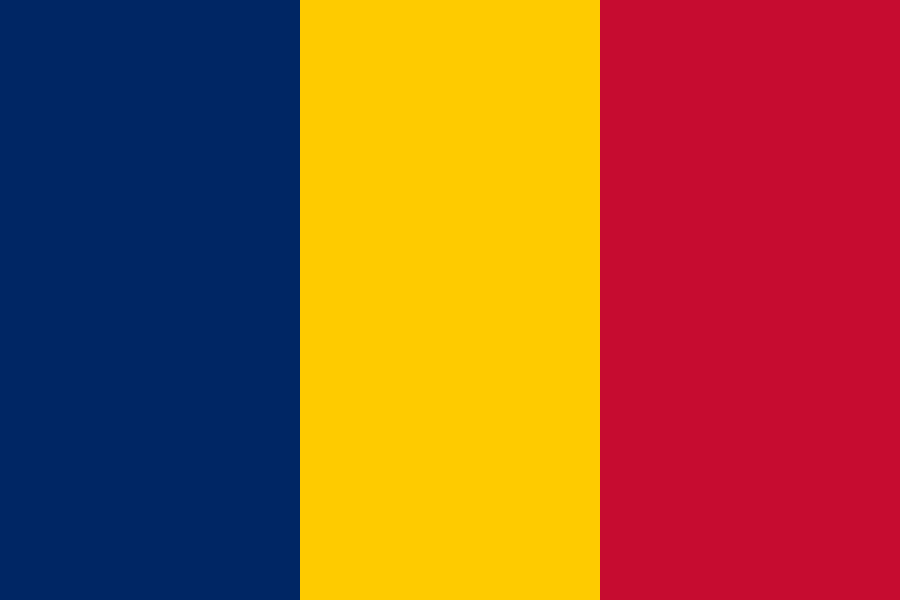 Chad
Chad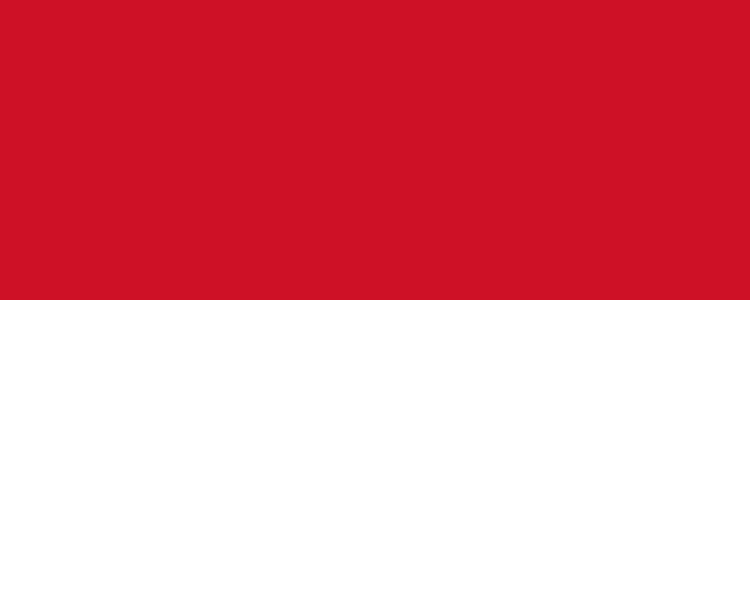 Monaco
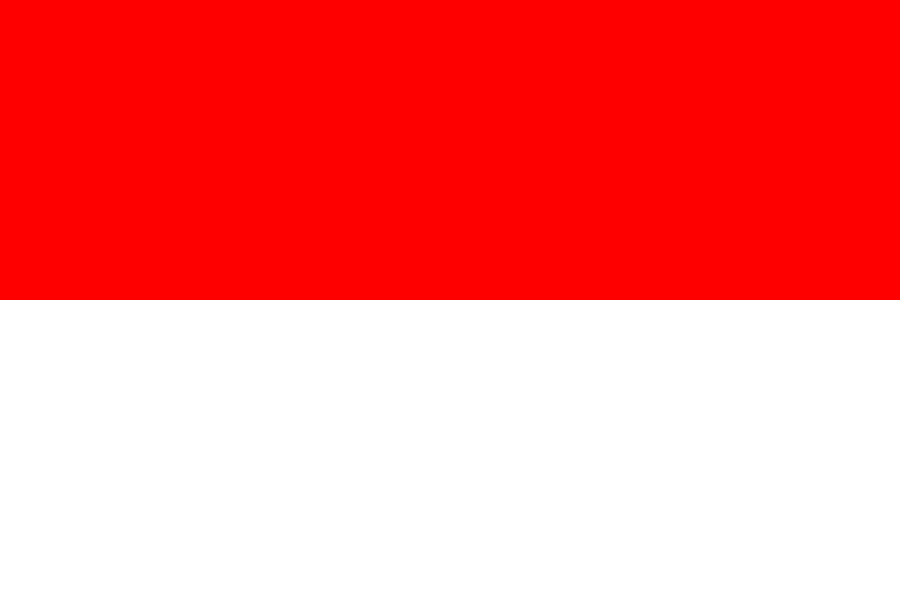 Indonesia
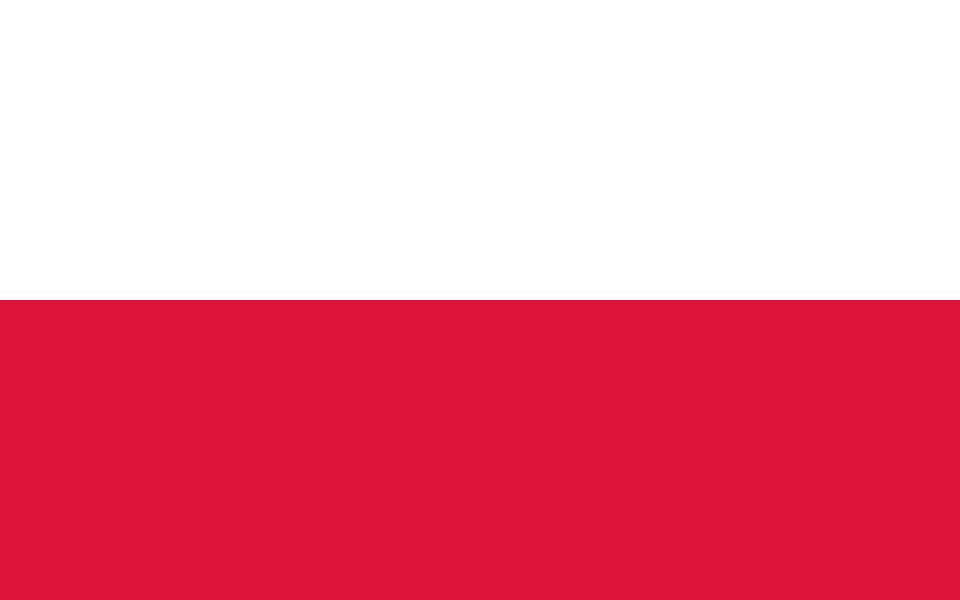 Poland
 Netherlands
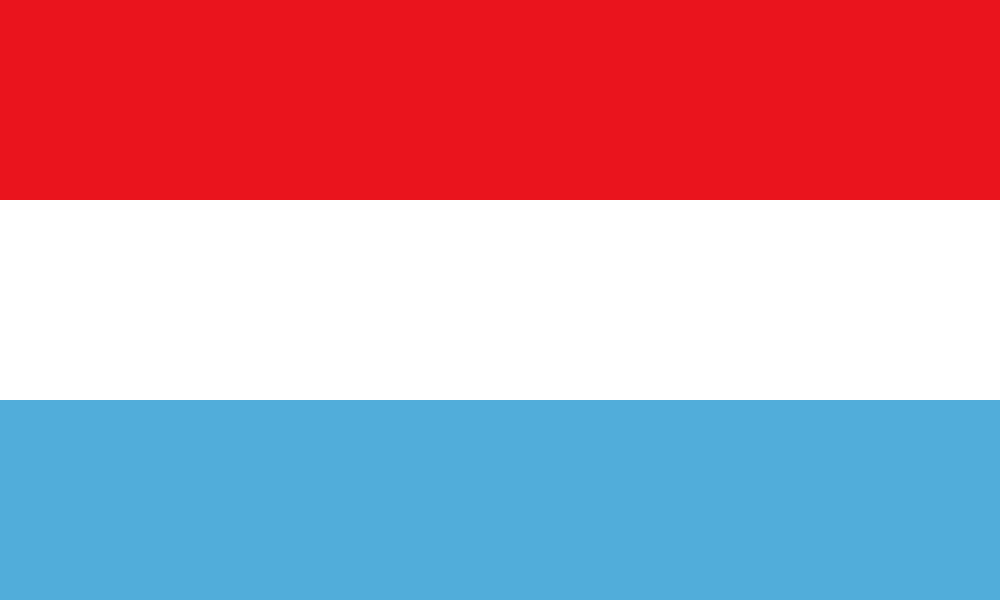 Luxembourg
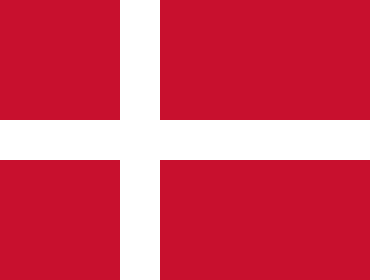 Denmark
 Norway
 Sweden
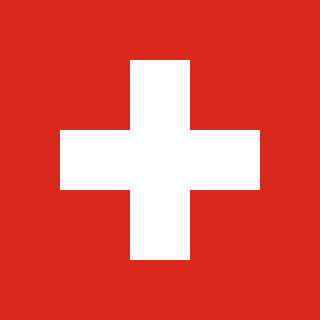 Switzerland
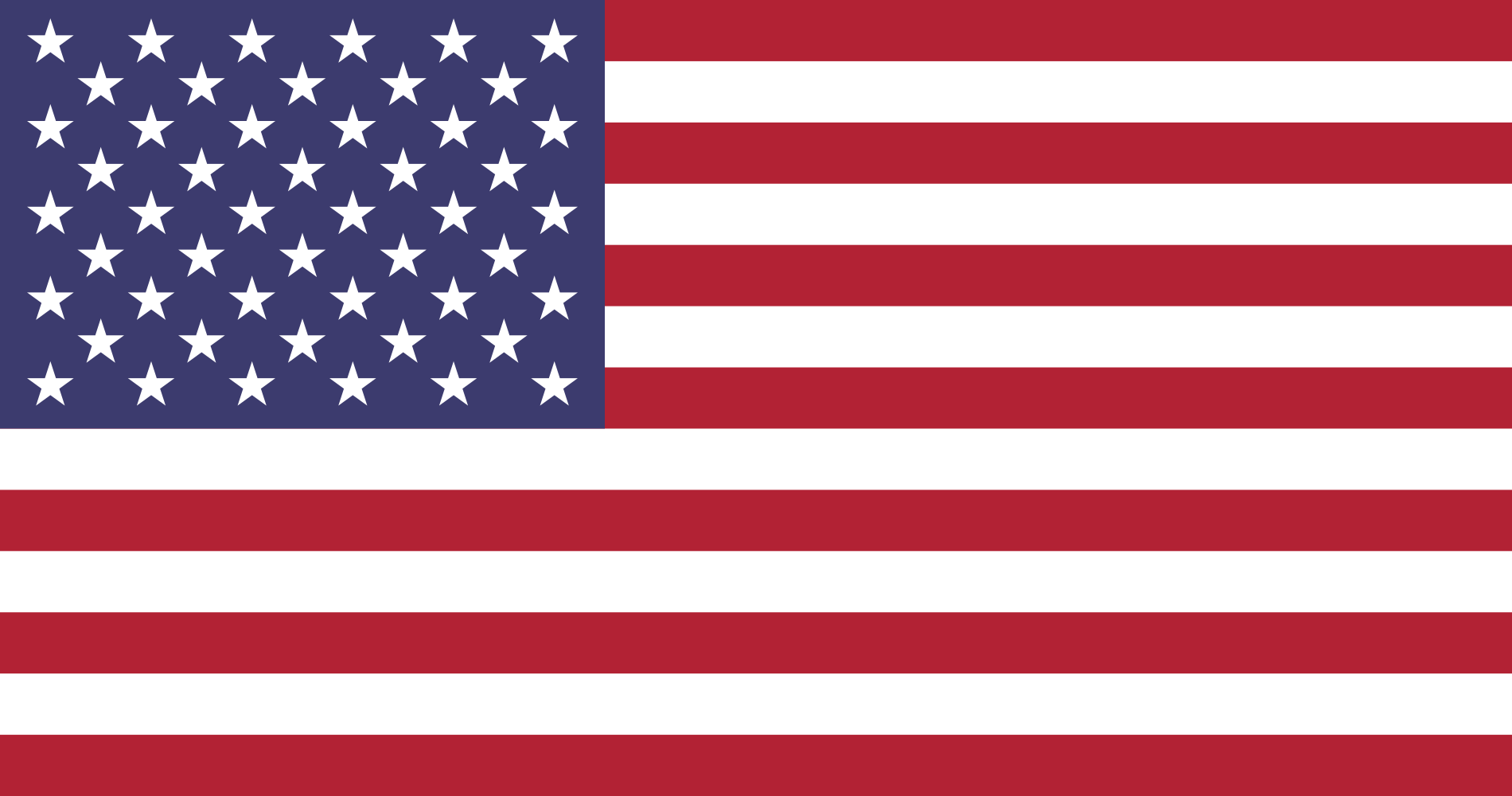 United States
 United Kingdom
Curated color hubs
Red Flags
Red is the most common primary tincture on national flags, appearing on more than three-quarters of sovereign banners—from crimson sun discs and Nordic crosses to revolutionary tricolors.
White Flags
In heraldry and vexillology, white corresponds to the metal silver (argent) and serves as the essential high-contrast separator between colored stripes, crosses, and emblems.
Blue Flags
Dark and medium blue appear across maritime ensigns, republican tricolors, and Nordic crosses, ranging from French navy and British royal blue to Swedish and Dutch cobalt.
Green Flags
Green features prominently in European republican tricolors (Italy, Ireland), West African and Pan-African flags (Côte d'Ivoire), and South Asian standards (Bangladesh).
Yellow & Gold Flags
Representing the heraldic metal gold (or), yellow provides bright optical contrast against blue, red, and green fields in tricolors, Nordic crosses, and Pacific island emblems.
Orange Flags
A distinctive and relatively rare flag color originating in the sixteenth-century Dutch Prinsenvlag and carried today on the vertical tricolors of Ireland and Côte d'Ivoire.
Light & Sky Blue Flags
Sky blue and Pacific ocean blue are treated as distinct tinctures from dark navy or cobalt blue in countries such as Luxembourg and Palau.
Curated layout & pattern hubs
Tricolor Flags (Vertical & Horizontal)
Three equal vertical or horizontal bands of three distinct colors—the most influential republican flag layout in modern history, originating in the sixteenth-century Netherlands and eighteenth-century France.
Bicolor Flags
Flags divided into two equal horizontal or vertical bands derived from medieval heraldic liveries and royal standards, such as Monaco, Indonesia, and Poland.
Nordic Cross Flags
Flags featuring a Christian cross whose vertical bar is shifted toward the hoist, originating with Denmark's medieval Dannebrog and adopted across Northern Europe.
Solid Field with Centered Emblem
Minimalist flags consisting of a single primary geometric symbol—such as a sun/moon disc or couped cross—on an unstriped solid field (Japan, Bangladesh, Palau, Switzerland).
Canton Flags
Flags that reserve the upper-hoist corner ('the canton' or 'union') for a distinct sub-design—such as a constellation of stars or a parent ensign—combined with a striped or solid field.
Saltire & Diagonal Cross Flags
Flags built around diagonal corner-to-corner crosses (saltires), exemplified by St Andrew's Cross, St Patrick's Cross, and their counterchanged combination in the British Union Jack.
Historical design families
French Tricolor Lineage
Vertical three-band flags inspired by the 1794 French Tricolore as a symbol of constitutional sovereignty and republican nationhood across Europe and West/Central Africa.
Dutch Tricolor Lineage
The oldest tricolor tradition in vexillology, descending from the sixteenth-century Dutch Prinsenvlag and Statenvlag.
Nordic Cross Family
The cohesive Northern European flag family descending from Denmark's Dannebrog, sharing an off-center hoist-shifted cross across every sovereign Scandinavian state and autonomous territory.
Pan-African Color Lineage
Flags combining green, yellow, and red (drawn from the 1897 Ethiopian imperial tricolor) or red, black, and green to signify African sovereignty and solidarity.
Stars and Stripes Lineage
Flags featuring alternating horizontal stripes paired with a starred canton or triangle, originating with the 1777 United States Flag Resolution.
British Ensign & Union Flag Lineage
The family of flags built from or carrying the 1801 British Union Jack, combining the crosses of St George, St Andrew, and St Patrick.