
Flag of Puerto Rico
Native & traditional name: Bandera de Puerto Rico (La Monoestrellada)
| Entity | Puerto Rico (PR) |
|---|---|
| Parent state | United States |
| Type | Dependent / autonomous territory flag (territorial, civil, state) |
| Proportion | 2:3 (2:3) |
| Primary colors | red, white, blue |
| Main symbol | triangle, star |
| Arrangement | horizontal hoist triangle (red · white · red · white · red) |
| Official adoption | 1952-07-24 |
| Region | Caribbean |
Plain-language visual description
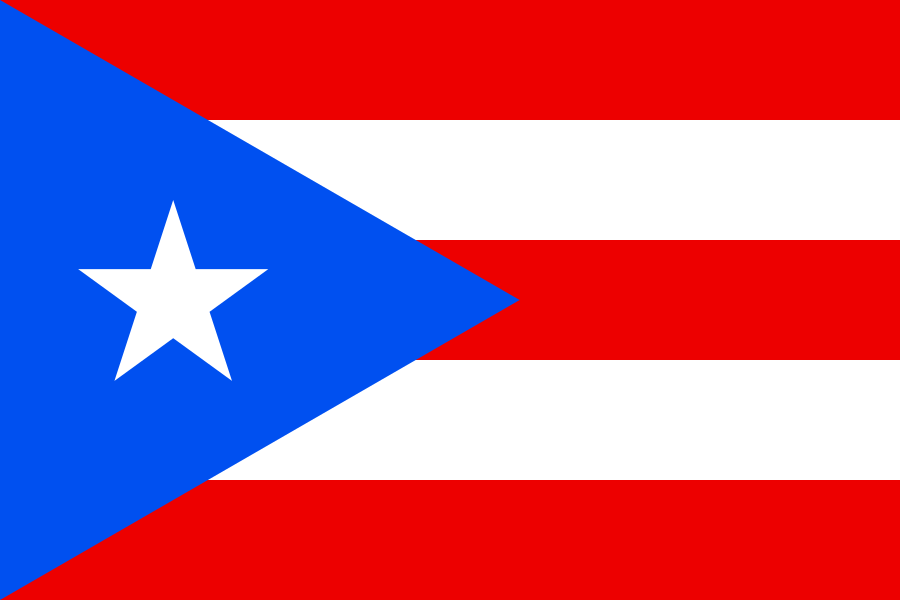
The flag of Puerto Rico consists of five alternating horizontal stripes of red and white (three red, two white) in a 2:3 aspect ratio, with a blue equilateral triangle at the hoist bearing a centered white five-pointed star.
Construction and geometry
Proportion & symmetry: The Flag of Puerto Rico uses a 2:3 height-to-width ratio (Customary proportion; neither Law No. 1 of 1952 nor Regulation No. 5282 of 1995 fixes the flag's dimensions) on a rectangular field with no mirror symmetry. 2:3 ratio; five equal horizontal stripes (3 red, 2 white) with a blue equilateral triangle at the hoist containing a centered white five-pointed star.
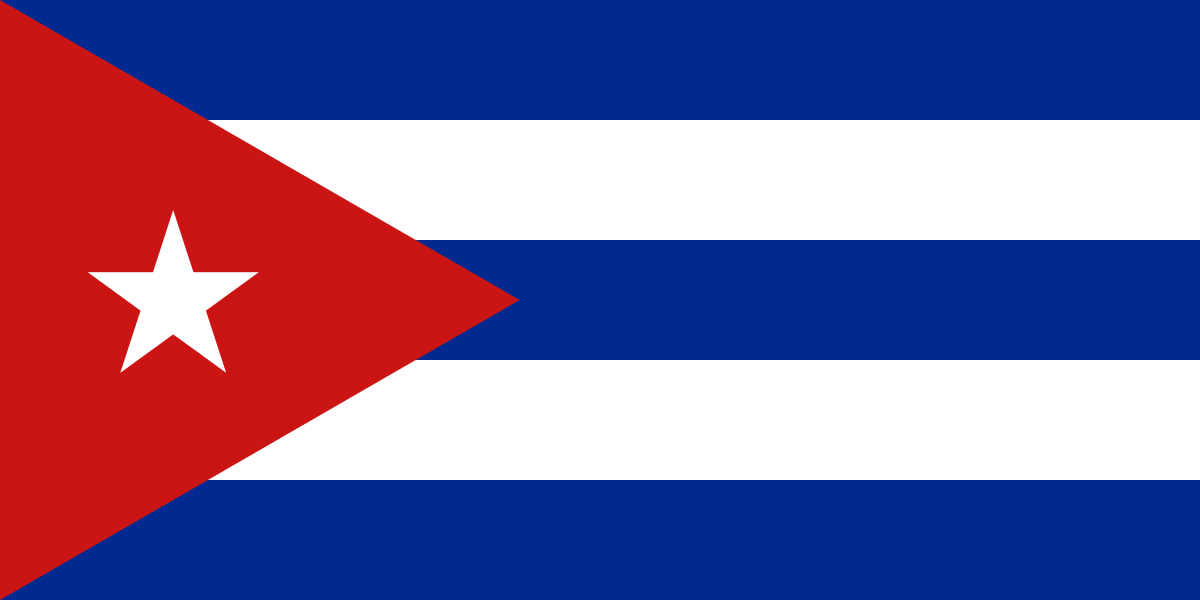
- Aspect ratio is customarily 2:3 (in contrast to Cuba's statutory 1:2 ratio); no proportions are fixed by law.
- Five equal horizontal stripes (three red, two white) with an equilateral blue hoist triangle and centered white five-pointed star.
Colors and how they are specified
A color code is marked official only when the governing law, decree or official government specification itself gives it, and the source is quoted below the table. Where the law names a color without a code, or sets no shade at all, the table says so and the display hex is an approximation. Commonly used but unofficial codes are labelled as such. Unless the table names another source for it, a hex shown beside a Pantone code is Pantone's own published sRGB value for that code.
| Color | Shade name | Specification system | Code | Display hex |
|---|---|---|---|---|
| red | Red (Rojo) | statute-named | named in law, no code | #ED0000 |
| white | White (Blanco) | statute-named | named in law, no code | #FFFFFF |
| blue | Royal / Sky Blue (Azul) | statute-named | named in law, no code | #0050F0 |
- Red (Rojo) (statute-named): Ley de la Bandera del Estado Libre Asociado de Puerto Rico, Ley Núm. 1 de 24 de julio de 1952, según enmendada, Sección 1 (1 L.P.R.A. § 31) —
cinco franjas horizontales alternadas, tres rojas y dos blancas
- White (Blanco) (statute-named): Ley de la Bandera del Estado Libre Asociado de Puerto Rico, Ley Núm. 1 de 24 de julio de 1952, según enmendada, Sección 1 (1 L.P.R.A. § 31) —
tres rojas y dos blancas y junto al asta un triángulo equilátero azul con una estrella blanca de cinco puntas
- Royal / Sky Blue (Azul) (statute-named): Ley de la Bandera del Estado Libre Asociado de Puerto Rico, Ley Núm. 1 de 24 de julio de 1952, según enmendada, Sección 1 (1 L.P.R.A. § 31) —
junto al asta un triángulo equilátero azul
Meaning and symbolism
Documented symbolism
Article 3(C) of Department of State Regulation No. 5282 of 1995 states that the star is the symbol of the Commonwealth (Estado Libre Asociado) and rests on a blue triangle whose three angles evoke the integrity of the republican form of government, represented by three powers: the legislative, the executive and the judicial.
The same article states that the three red stripes symbolize the vital blood that nourishes those three branches of government, and that the two white stripes represent the liberty of the individual and the rights of man, which keep the powers in balance. Law No. 1 of 1952 itself states no symbolism.
Common interpretations
In its original 1895 revolutionary context in New York City, the flag was created by inverting the blue and red of the Cuban flag to symbolize the shared Antillean independence struggle—immortalized in Lola Rodríguez de Tió's verse that Cuba and Puerto Rico are 'of one bird the two wings.'
History and design evolution
On 22 December 1895, Puerto Rican independence advocates gathered at Chimney Corner Hall in Manhattan as the Puerto Rican Section of the Cuban Revolutionary Party and adopted the Cuban flag with its colours inverted, placing red on the stripes and blue on the hoist triangle. The design is variously attributed to Francisco Gonzalo 'Pachín' Marín, Antonio Vélez Alvarado or Manuel Besosa, and by one account the first flag was sewn by Manuela 'Mima' Besosa.
During the first half of the 20th century under United States administration, public display of the monoestrellada was associated with the Nationalist movement, and the 1948 Gag Law (Ley de la Mordaza, Law 53), although its text does not mention the flag, is often described as having made displaying it a crime. Law No. 1 of 24 July 1952, enacted under Governor Luis Muñoz Marín and in force when the Commonwealth Constitution took effect on 25 July 1952, made the traditional flag the official flag of the Commonwealth. The law names the triangle only as blue; the government adopted a dark blue close to that of the US flag.
Department of State Regulation No. 5282 of 3 August 1995 regulates the flag's use and states its official symbolism but, like the 1952 law, fixes no shade of blue. Medium (royal) blue has since become the most common shade, alongside the light blue (azul cielo) associated with 1895 and the dark blue used from 1952.
Key historical milestones
- 1895Chimney Corner Hall: The Puerto Rican Section of the Cuban Revolutionary Party adopts the color-inverted sister flag to Cuba on 22 December 1895.
- 1952Commonwealth Adoption: Law No. 1 of 24 July 1952 makes the flag the official emblem of the Commonwealth of Puerto Rico.
- 1995Regulation No. 5282: Department of State regulation on the use of the flag, including its official symbolism.
Frequently confused with
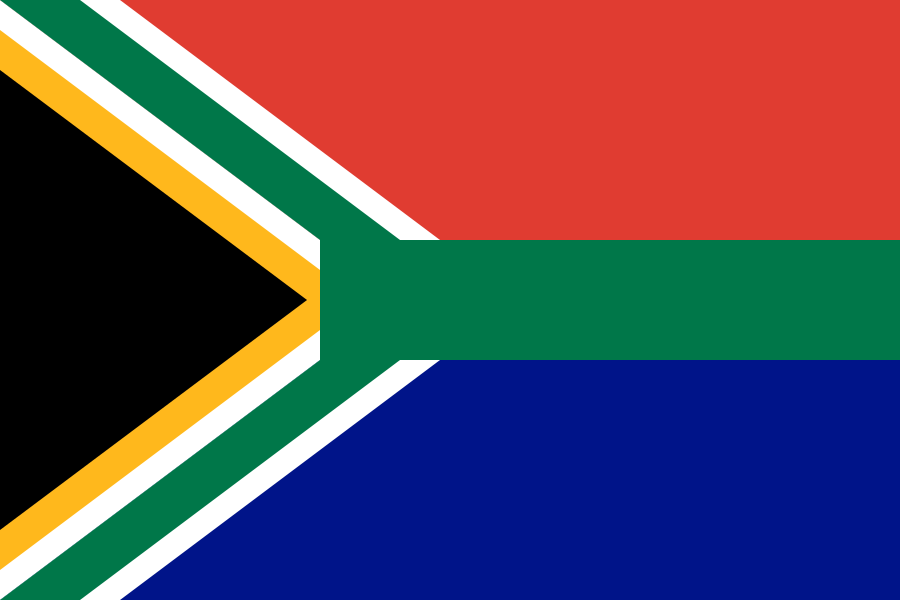
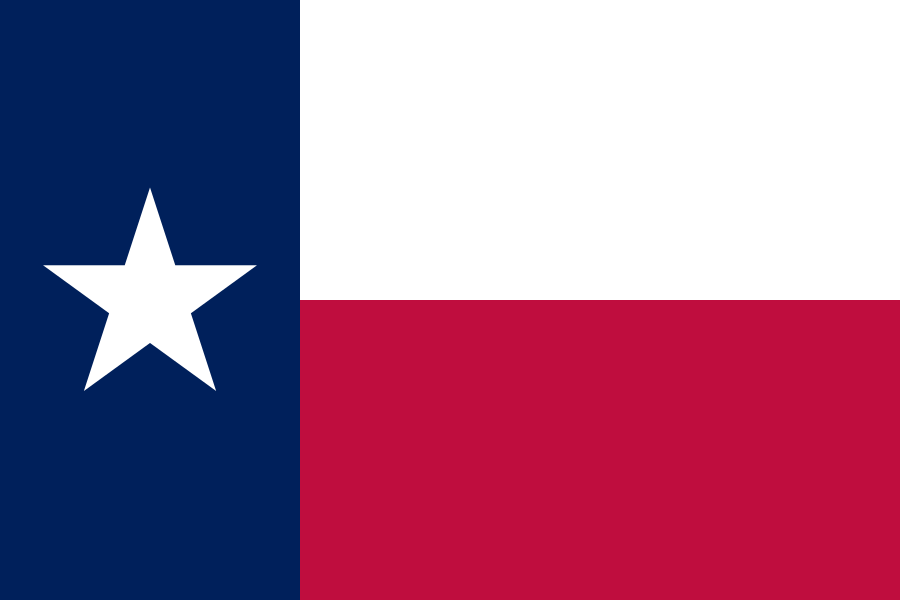
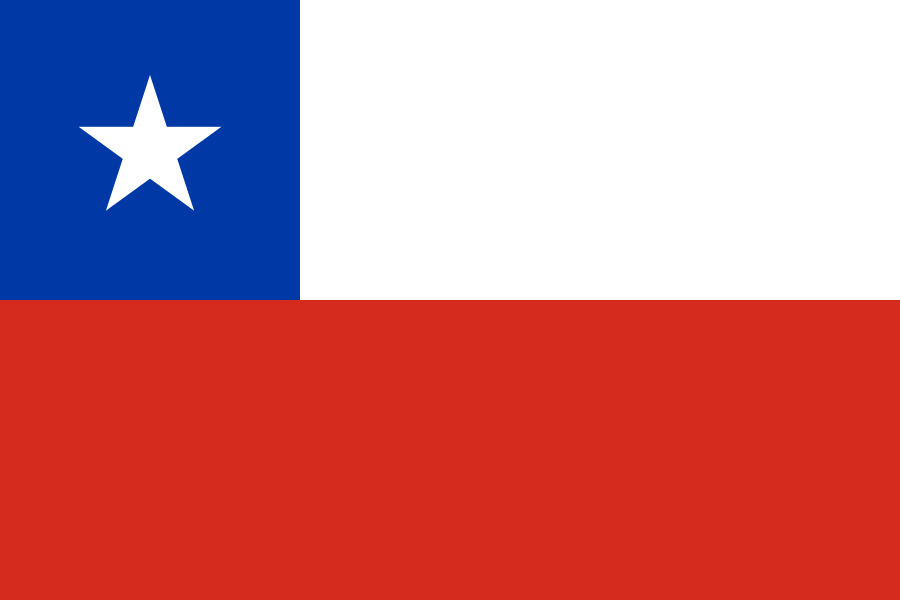
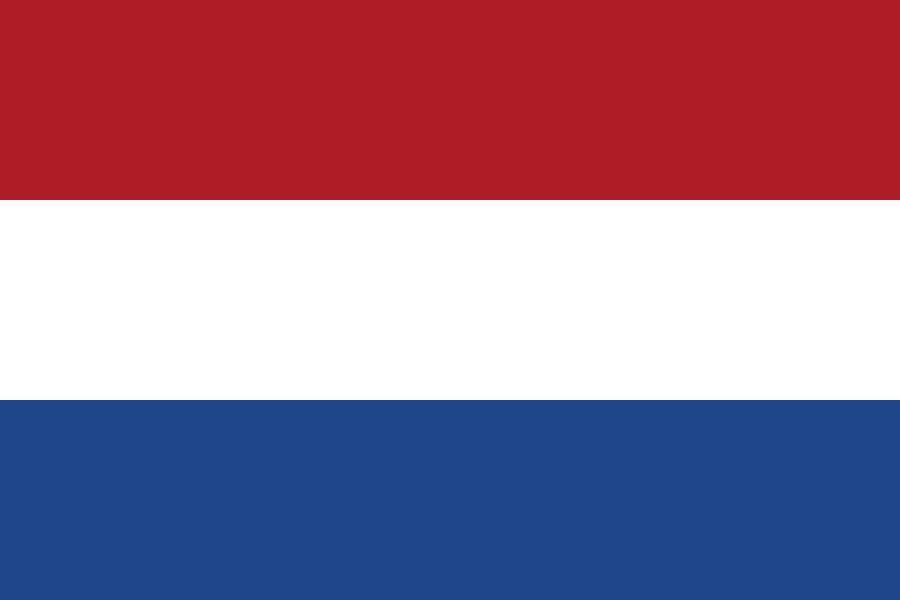
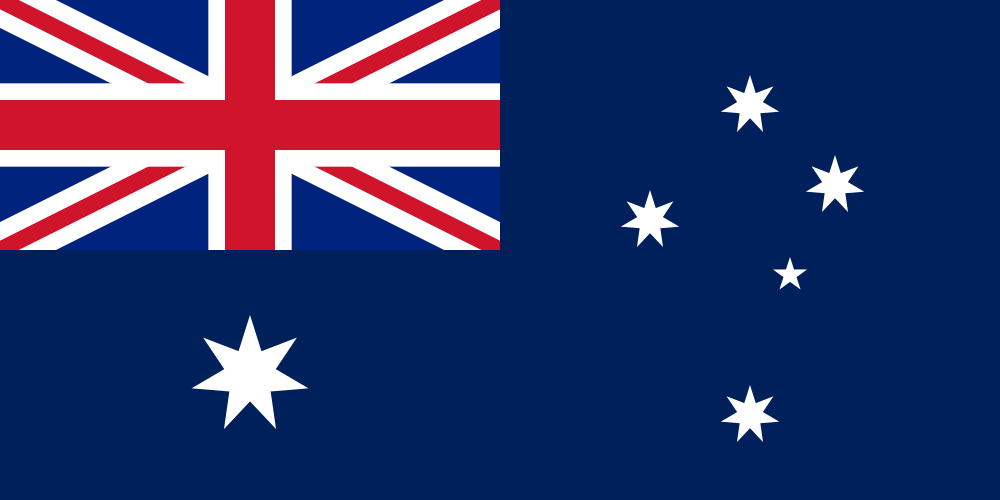
The Flag of Puerto Rico is commonly confused with or compared alongside the following catalog flags due to shared colors, stripe geometry, or central emblems:
Visually and structurally similar flags in this catalog
Ranked deterministically across layout family, orientation and shape (35%), color overlap and stripe order (25%), symbols (20%), aspect ratio (10%), and stripe/symmetry geometry (10%):
Sources and image-rights provenance
- Reglamento sobre el Uso en Puerto Rico de la Bandera del Estado Libre Asociado de Puerto Rico (Reg. No. 5282)
- Ley de la Bandera del Estado Libre Asociado de Puerto Rico (Ley Núm. 1 de 24 de julio de 1952, según enmendada)
SVG artwork provenance: Original FastFlags drawing generated by scripts/generate-seed-svg-assets.ts from this record's ratio, layout and display colours; not an official construction sheet. (public-domain-statute, checked 2026-10-15, SHA-256 74826b45cb41…).