
Flag of Venezuela
Native & traditional name: Bandera Nacional de Venezuela
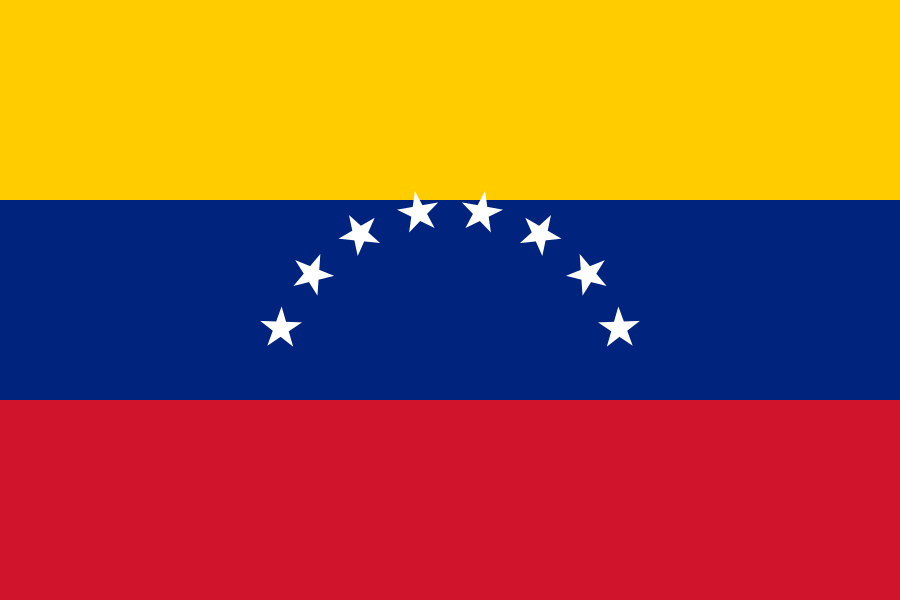
| Entity | Venezuela (VE) |
|---|---|
| Type | Sovereign national flag (national, civil) |
| Proportion | 2:3 (2:3) |
| Primary colors | yellow, blue, red, white |
| Main symbol | star (×8) |
| Arrangement | horizontal tricolor (yellow · blue · red) |
| Official adoption | 2006-03-09 — Sanctioned by the National Assembly on 7 March 2006; in force on its publication in Gaceta Oficial No. 38.394 on 9 March 2006. |
| Region | South America |
Plain-language visual description
The national flag of Venezuela consists of three equal horizontal stripes of yellow, blue, and red, charged in the center of the middle blue stripe with an arc of eight white five-pointed stars.
Construction and geometry
Proportion & symmetry: The Flag of Venezuela uses a 2:3 height-to-width ratio (Conventional 2:3; the 2006 Law (Art. 3) fixes no proportions) on a rectangular field with mirror symmetry about its vertical centre line (the hoist and fly halves match). Three equal horizontal stripes (1:1:1) of yellow, blue, and red with an arc of 8 white five-pointed stars centered on the blue stripe.
- Aspect ratio is 2:3.
- Three equal horizontal stripes (1:1:1) of yellow, blue, and red.
- Eight white five-pointed stars arranged in an arc of a circle, convex side upward, in the middle of the blue stripe (Art. 3); the law does not fix the arc's angle or the size of the stars.
Colors and how they are specified
A color code is marked official only when the governing law, decree or official government specification itself gives it, and the source is quoted below the table. Where the law names a color without a code, or sets no shade at all, the table says so and the display hex is an approximation. Commonly used but unofficial codes are labelled as such. Unless the table names another source for it, a hex shown beside a Pantone code is Pantone's own published sRGB value for that code.
| Color | Shade name | Specification system | Code | Display hex |
|---|---|---|---|---|
| yellow | Yellow (Amarillo) | statute-named | named in law, no code; commonly Pantone 116 C (unofficial) | #FFCD00 |
| blue | Blue (Azul) | statute-named | named in law, no code; commonly Pantone 286 C (unofficial) | #0032A0 |
| red | Red (Rojo) | statute-named | named in law, no code; commonly Pantone 186 C (unofficial) | #C8102E |
| white | White | statute-named | named in law, no code | #FFFFFF |
- Yellow (Amarillo) (statute-named): Ley de Bandera Nacional, Himno Nacional y Escudo de Armas de la República Bolivariana de Venezuela (Gaceta Oficial No. 38.394, 9 March 2006), Art. 3 —
Está formada por los colores amarillo, azul y rojo, en franjas unidas, iguales y horizontales
- Blue (Azul) (statute-named): Ley de Bandera Nacional, Himno Nacional y Escudo de Armas de la República Bolivariana de Venezuela (Gaceta Oficial No. 38.394, 9 March 2006), Art. 3 —
Está formada por los colores amarillo, azul y rojo, en franjas unidas, iguales y horizontales
- Red (Rojo) (statute-named): Ley de Bandera Nacional, Himno Nacional y Escudo de Armas de la República Bolivariana de Venezuela (Gaceta Oficial No. 38.394, 9 March 2006), Art. 3 —
Está formada por los colores amarillo, azul y rojo, en franjas unidas, iguales y horizontales
- White (statute-named): Ley de Bandera Nacional, Himno Nacional y Escudo de Armas de la República Bolivariana de Venezuela (Gaceta Oficial No. 38.394, 9 March 2006), Art. 3 —
en el medio del azul, ocho estrellas blancas de cinco puntas, colocadas en arco de círculo con la convexidad hacia arriba
Meaning and symbolism
Documented symbolism
The 2006 law (Art. 3) describes the flag without assigning meanings to its colours. Venezuela's Ministry of Foreign Affairs explains Miranda's yellow, blue and red as the three primary colours, from which all other colours derive, expressing the aspiration to the unity of a Spanish America free of colonial rule.
The stars derive from decrees of 1817: on 17 May 1817 the restored federal government ordered seven stars for the seven provinces of the Republic (Barcelona, Barinas, Caracas, Cumaná, Margarita, Mérida and Trujillo, the provinces that had declared independence in 1811), and Simón Bolívar's decree of 20 November 1817 at Angostura added an eighth star 'como emblema de la Provincia de Guayana'.
Common interpretations
Unlike Colombia and Ecuador, which use a 2:1:1 stripe ratio where yellow takes up half the flag, Venezuela uses three equal 1:1:1 stripes and places an arc of white stars across the blue band.
A popular reading holds that yellow stands for the wealth of the land, blue for the sea separating Venezuela from Spain, and red for the blood shed for independence; no Venezuelan law sets these meanings.
History and design evolution
General Francisco de Miranda first raised the yellow-blue-red tricolor aboard the Leander at Jacmel on 12 March 1806 and brought it ashore on the Venezuelan mainland at La Vela de Coro on 3 August 1806. Following the declaration of independence, the First Republic of Venezuela officially adopted Miranda's tricolor in the congressional sessions of 14 and 15 July 1811.
On 17 May 1817 the federal government restored under the Congress of Cariaco decreed seven stars, at first placed on the yellow stripe, for the seven provinces, and after the Guayana campaign Simón Bolívar decreed an eighth star for the province of Guayana at Angostura on 20 November 1817. After Venezuela left Gran Colombia in 1830, a decree of April 1836 fixed three equal horizontal stripes; seven stars returned in 1863, were placed in a circle in 1905 and in an arc from 1930, and the 1954 law kept that arc, with only a minor change to the inscription on the coat of arms.
On 7 March 2006 the National Assembly sanctioned a new Law of the National Flag, National Anthem and Coat of Arms, which entered into force on its publication in Gaceta Oficial No. 38.394 on 9 March 2006 and restored Bolívar's eighth star to the arc on the blue band. The same year the government moved Flag Day from 12 March to 3 August, the anniversary of Miranda's landing at La Vela de Coro.
Key historical milestones
- 1806Miranda's Expedition: Francisco de Miranda raises the yellow-blue-red tricolor on 12 March 1806.
- 1817Bolívar's Eighth Star Decree: Simón Bolívar decrees an eighth star for the liberated province of Guayana on 20 November 1817.
- 1954Seven-Star Arc: The 1954 Law of the Flag, Coat of Arms and National Anthem keeps the seven-star arc; only the inscription on the coat of arms changes.
- 2006Eight-Star Restoration: The 2006 law, in force from its publication on 9 March 2006, adds the eighth star to the arc.
Frequently confused with
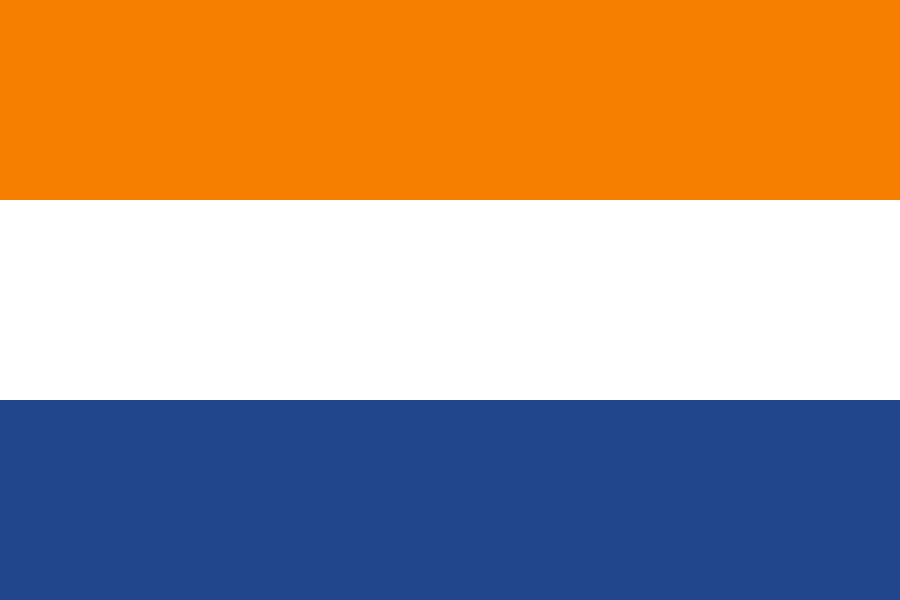
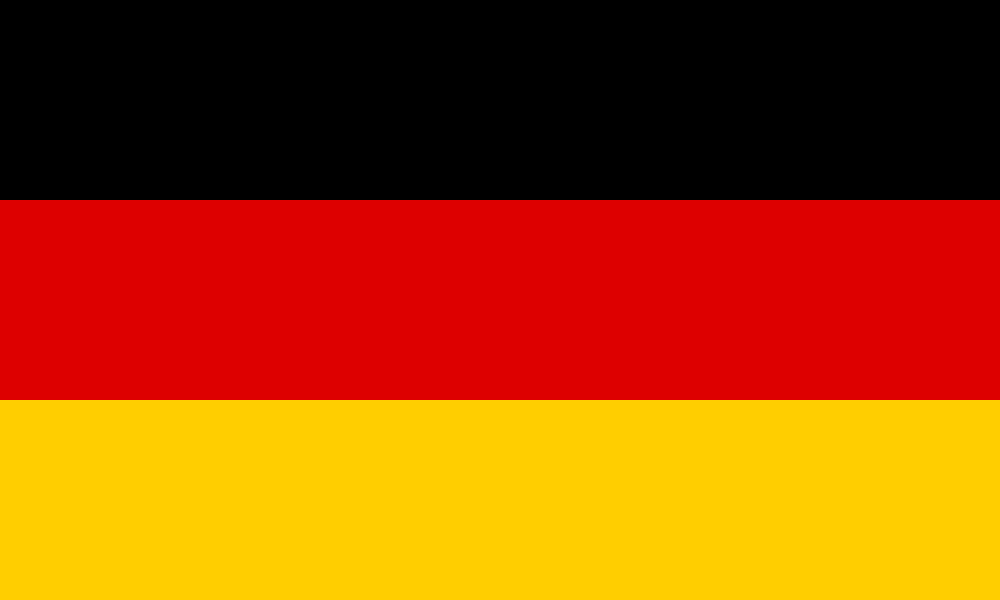
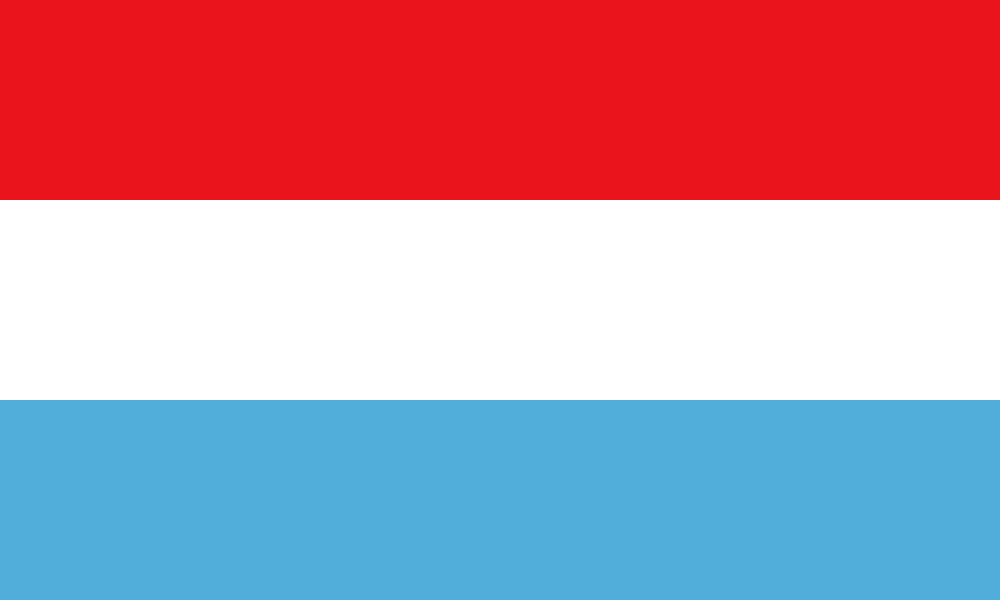
The Flag of Venezuela is commonly confused with or compared alongside the following catalog flags due to shared colors, stripe geometry, or central emblems:
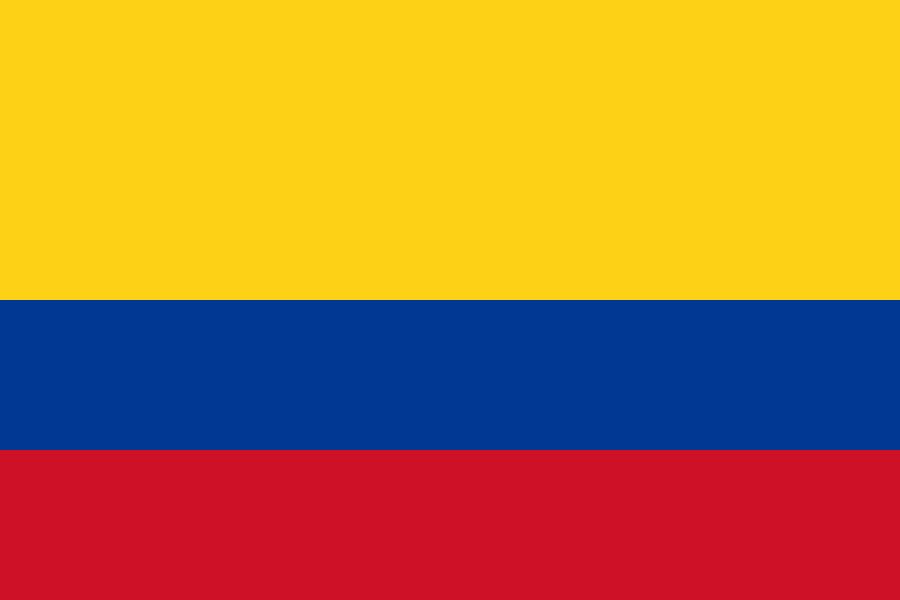
Visually and structurally similar flags in this catalog
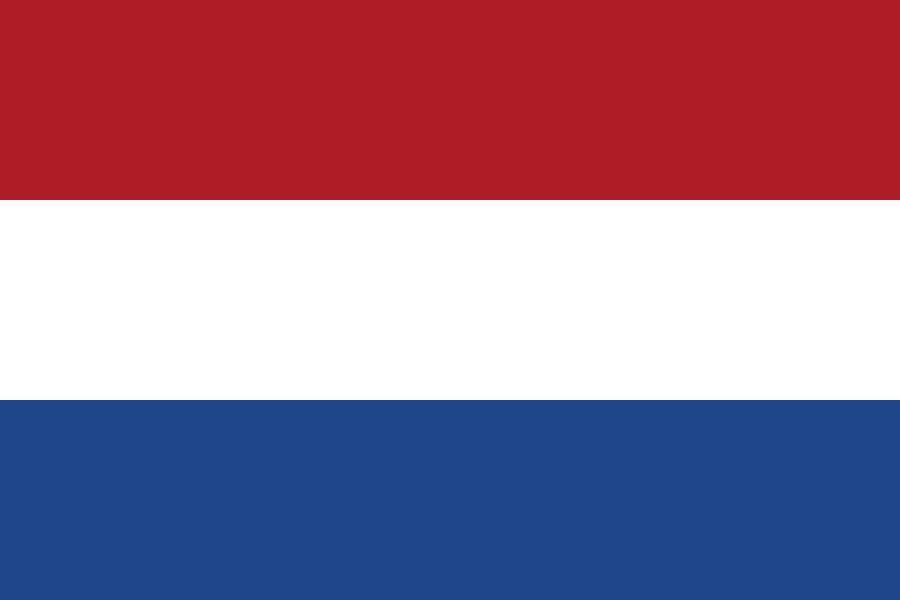
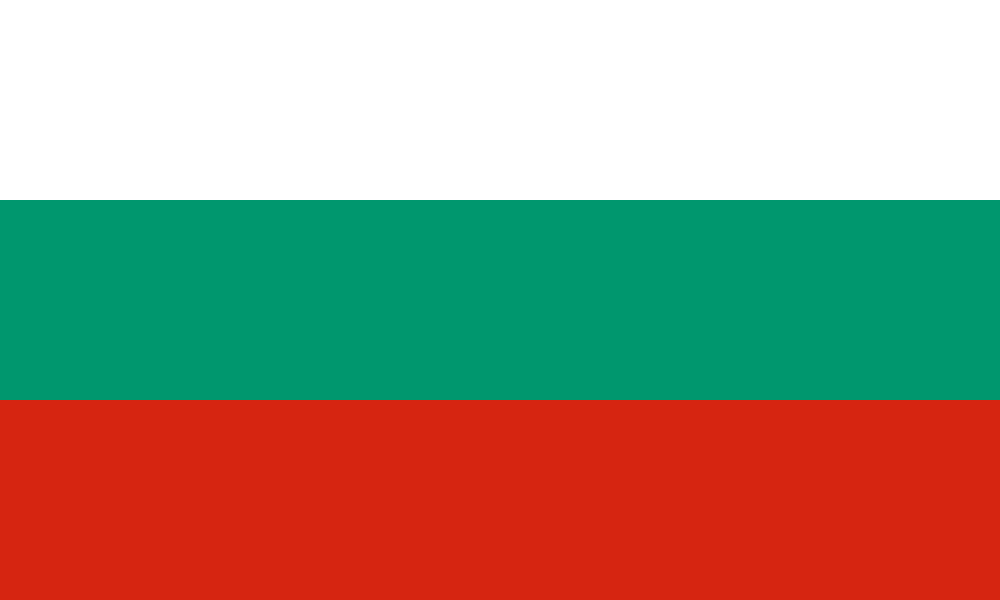
Ranked deterministically across layout family, orientation and shape (35%), color overlap and stripe order (25%), symbols (20%), aspect ratio (10%), and stripe/symmetry geometry (10%):
Sources and image-rights provenance
- Ley de Bandera Nacional, Himno Nacional y Escudo de Armas de la República Bolivariana de Venezuela — Gaceta Oficial No. 38.394
- La Bandera Nacional de la República Bolivariana de Venezuela
SVG artwork provenance: Original FastFlags drawing generated by scripts/generate-seed-svg-assets.ts from this record's ratio, layout and display colours; not an official construction sheet. Drawn without the coat of arms (the variant without arms); star positions approximate. (public-domain-statute, checked 2026-10-15, SHA-256 29e2477643db…).