
Flag of Bulgaria
Native & traditional name: Национално знаме на България
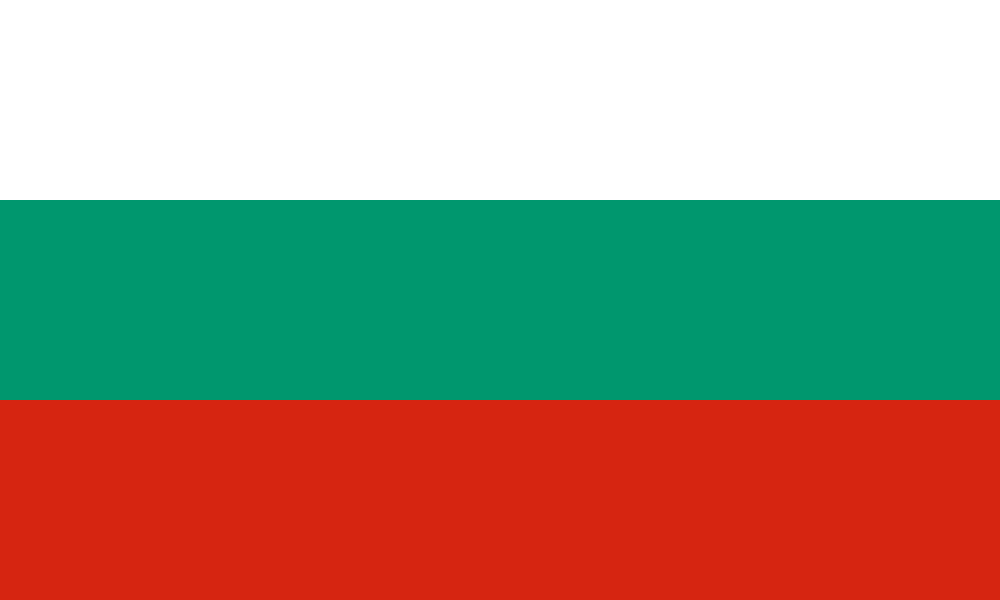
| Entity | Bulgaria (BG) |
|---|---|
| Type | Sovereign national flag (national, civil) |
| Proportion | 3:5 (3:5) |
| Primary colors | white, green, red |
| Main symbol | None (geometric bands) |
| Arrangement | horizontal tricolor (white · green · red) |
| Official adoption | 1990-11-27 — The uncharged tricolour was restored by the constitutional amendment of 27 November 1990 that removed the communist-era state emblem, and is confirmed by Art. 166 of the Constitution adopted on 12 July 1991. The earliest white-green-red striped banner is generally dated to 1877; the tricolour was first codified in Art. 23 of the Tarnovo Constitution of 16 April 1879. |
| Region | Eastern Europe |
Plain-language visual description
The national flag of Bulgaria is a horizontal tricolor of three equal stripes of white at the top, green in the middle, and red at the bottom in a 3:5 aspect ratio.
Construction and geometry
Proportion & symmetry: The Flag of Bulgaria uses a 3:5 height-to-width ratio (State Seal and National Flag Act, Annex 2, item 1.1 (State Gazette No. 47/1998; Annex 2 as amended by State Gazette No. 95/2005)) on a rectangular field with mirror symmetry about its vertical centre line (the hoist and fly halves match). Three equal horizontal stripes of white, green, and red in a 3:5 ratio.
Colors and how they are specified
A color code is marked official only when the governing law, decree or official government specification itself gives it, and the source is quoted below the table. Where the law names a color without a code, or sets no shade at all, the table says so and the display hex is an approximation. Commonly used but unofficial codes are labelled as such. Unless the table names another source for it, a hex shown beside a Pantone code is Pantone's own published sRGB value for that code.
| Color | Shade name | Specification system | Code | Display hex |
|---|---|---|---|---|
| white | White | statute-named | named in law, no code | #FFFFFF |
| green | Green | pantone | 17-5936 (official) | #009B74Hex: Pantone's published sRGB for 17-5936 TCX (the Act names the TC version of the code) |
| red | Red | pantone | 18-1664 (official) | #D01C1FHex: Pantone's published sRGB for 18-1664 TCX (the Act names the TC version of the code) |
- White (statute-named): State Seal and National Flag of the Republic of Bulgaria Act, Annex 2, item 1.3 (State Gazette No. 47/1998; Annex 2 as amended by State Gazette No. 95/2005) —
бял - със степен на белота не по-малка от 80 %
- Green (pantone): State Seal and National Flag of the Republic of Bulgaria Act, Annex 2, item 1.3 (State Gazette No. 47/1998; Annex 2 as amended by State Gazette No. 95/2005) —
зелен - номер 17-5936 ТС по скалата на Пантон-текстил
- Red (pantone): State Seal and National Flag of the Republic of Bulgaria Act, Annex 2, item 1.3 (State Gazette No. 47/1998; Annex 2 as amended by State Gazette No. 95/2005) —
червен - номер 18-1664 ТС по скалата на Пантон-текстил
Meaning and symbolism
Documented symbolism
Article 15(1) of the State Seal and National Flag Act (1998) declares the national flag a national symbol that expresses the independence and sovereignty of the Bulgarian state; Article 166 of the 1991 Constitution and Article 15(2) of the Act fix the white, green and red fields, placed horizontally from top to bottom.
Neither the Constitution nor the Act assigns a meaning to the individual colours; the readings below are traditional.
Common interpretations
White is commonly said to stand for peace and freedom, green for the country's agriculture and forests, and red for the blood shed by those who fought for independence.
Green is often explained as having taken the place of the blue of the Pan-Slavic white-blue-red tricolour to stand for Bulgaria's agriculture and the fertility of its land; a Flags of the World contributor, citing the Fischer Weltalmanach, instead calls the green a colour of freedom.
History and design evolution
The national flag of Bulgaria features a horizontal tricolor of white, green, and red that was born out of the 19th-century Bulgarian National Revival (Vazrazhdane) and the struggle for liberation from Ottoman rule. Historically, Bulgarian rebel leaders and armed bands (cheti) carried green silk banners bearing golden heraldic lions, often inscribed with the revolutionary motto 'Liberty or Death' (Svoboda ili smart).
While the pan-Slavic colors associated with the Prague Slavic Congress of 1848 were white, blue, and red (as seen in the Russian and Serbian flags), the Bulgarian tricolor uses green in place of blue. A widely repeated explanation holds that the green stands for the agricultural wealth and fertility of the land, although no law records this meaning.
The earliest white-green-red striped banner is generally dated to 1877, during the Russo-Turkish War, when a flag sewn in Brăila was presented to Bulgarian volunteers serving with the Russian army. Following Bulgaria's liberation, the Constituent Assembly convened in Veliko Tarnovo and codified the white-green-red tricolor in Article 23 of the Tarnovo Constitution, adopted on April 16, 1879. The flag remained uncharged until the Communist era: the 1947 Constitution placed the state emblem of the People's Republic in the upper hoist corner of the white stripe. A constitutional amendment of 27 November 1990 removed the emblem, Article 166 of the 1991 Constitution confirmed the plain tricolor, and the State Seal and National Flag Act of 1998 fixed its 3:5 proportions and colours.
Key historical milestones
- 1879Tarnovo Constitution: Article 23 adopts the white-green-red tricolor on 16 April 1879.
- 1947Coat of Arms Added: Socialist constitution places the state coat of arms in the canton.
- 1990Emblem Removed: Democratic parliament restores the pure horizontal tricolor.
Frequently confused with
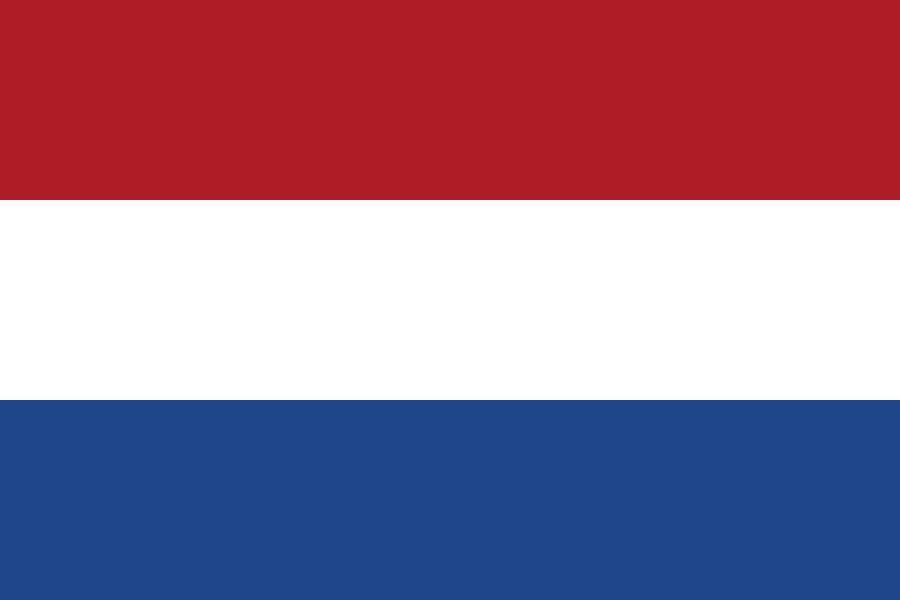
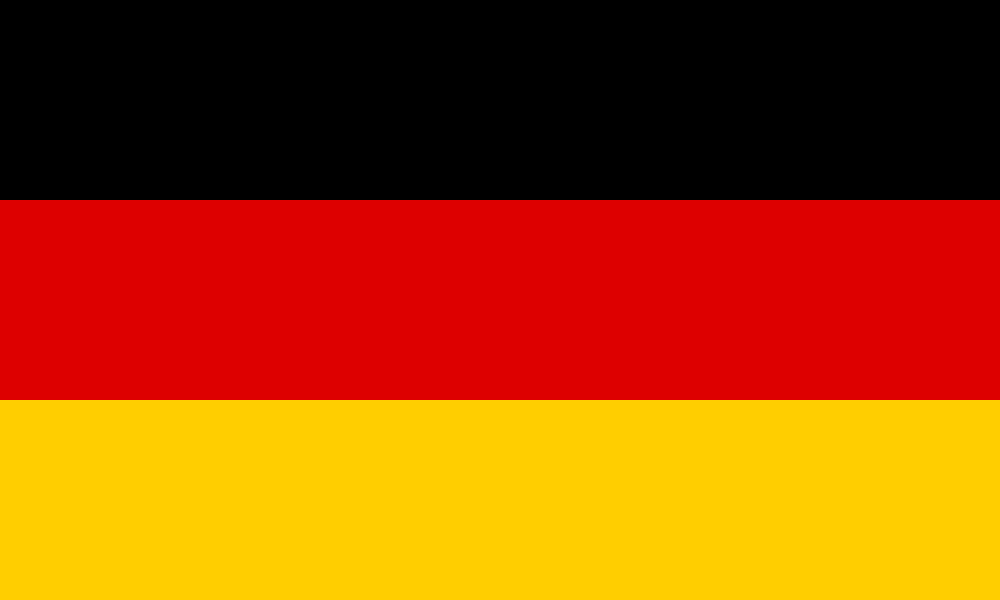
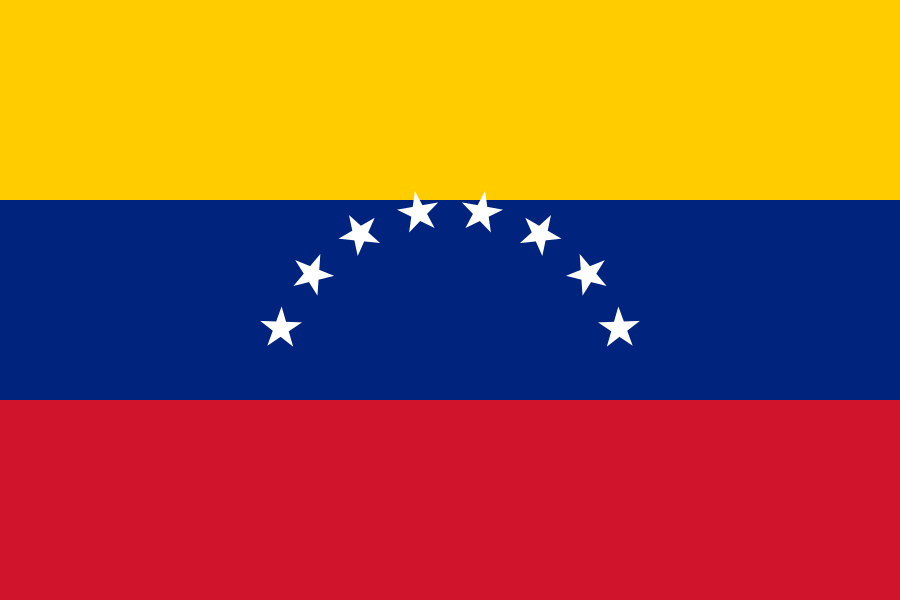
The Flag of Bulgaria is commonly confused with or compared alongside the following catalog flags due to shared colors, stripe geometry, or central emblems:
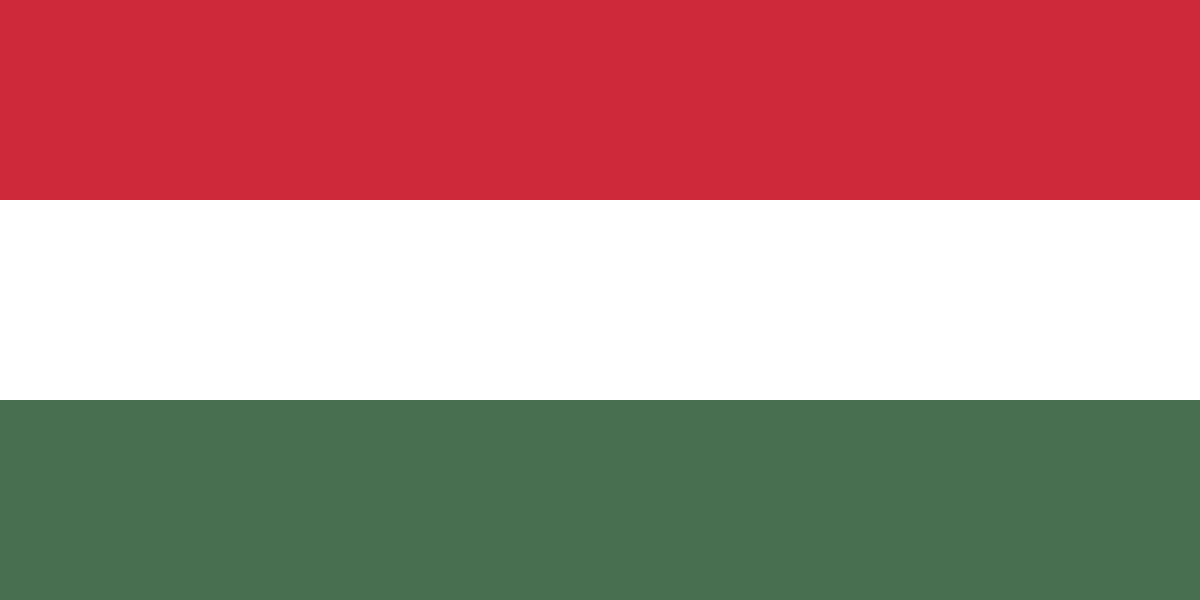
Visually and structurally similar flags in this catalog
Ranked deterministically across layout family, orientation and shape (35%), color overlap and stripe order (25%), symbols (20%), aspect ratio (10%), and stripe/symmetry geometry (10%):
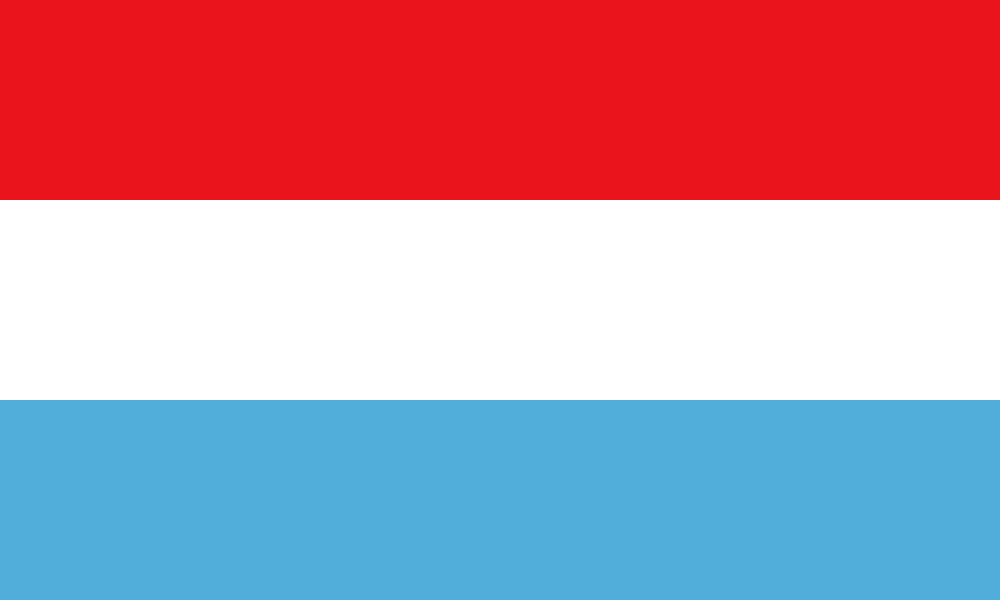
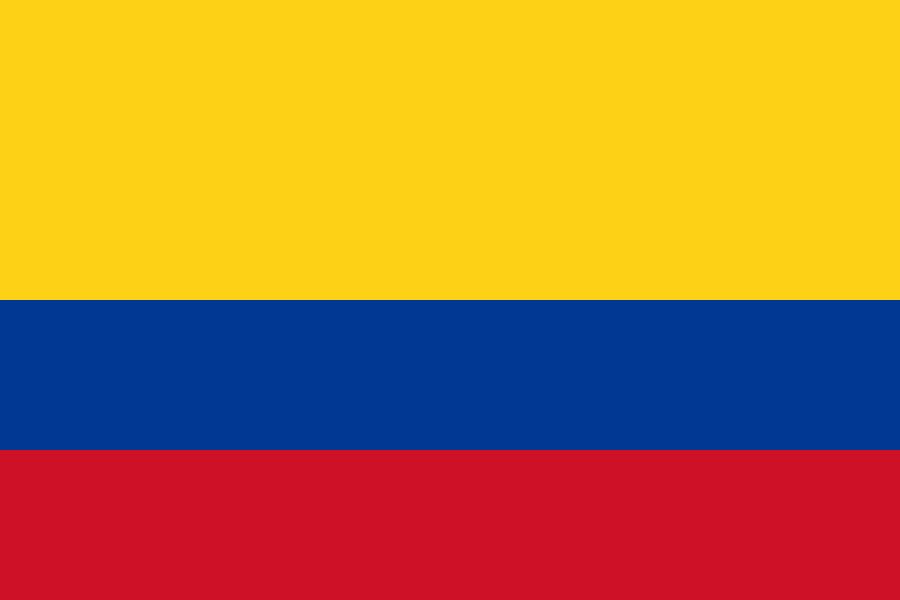
Sources and image-rights provenance
- Constitution of the Republic of Bulgaria (Article 166)
- State Seal and National Flag of the Republic of Bulgaria Act — State Gazette No. 47/1998, as amended (Annex 2 replaced by State Gazette No. 95/2005)
SVG artwork provenance: Original FastFlags drawing generated by scripts/generate-wave1-batch2.ts from this record's ratio, layout and display colours; not an official construction sheet. (public-domain-statute, checked 2026-10-15, SHA-256 c375ac247dd5…).