
Which Flag Is Red with a White Cross (or White with a Red Cross)?
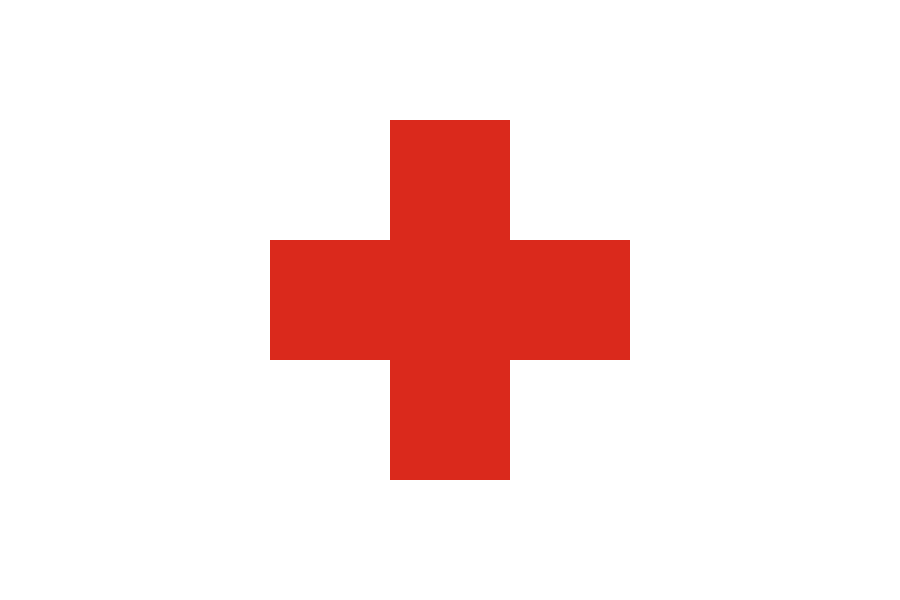
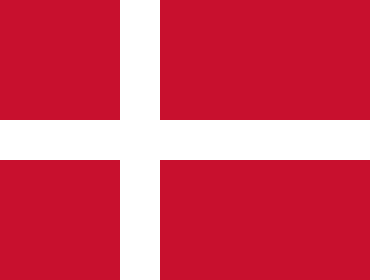
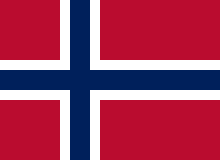
Whether the cross stops short of the edges (couped) or extends all the way to the borders (Nordic cross), geometry and color inversion separate the best-known examples—Switzerland, Denmark, Norway, and the Red Cross. A white flag with a red cross running to all four edges and centered (not shifted toward the pole) is England's St George's Cross; Georgia's adds four small red crosses.
Step-by-step visual checklist
| What you see | Matching flag & key specification |
|---|---|
| Square (1:1) red flag with a centered white cross that does NOT touch the edges | Switzerland (cross proportions fixed in 1889; each arm is one-sixth longer than it is wide). |
| White flag (the Geneva Conventions fix no proportions) with a centered red cross that does NOT touch the edges | The International Red Cross protective emblem (adopted 1863/1864; the 1906 Geneva Convention describes it as formed by reversing the Swiss federal colors). |
| Rectangular (28:37) red flag with a white cross extending to all four edges and shifted toward the flagpole | Denmark (Dannebrog, often cited as the world's oldest continuously used national flag). |
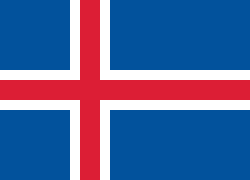
| Red flag with a dark blue Nordic cross bordered in white | Norway (8:11 ratio; if the field is blue and the cross is red bordered in white, it is Iceland). |
Candidate flags side by side (5)

Detailed side-by-side comparisons
Compare: switzerland vs red cross
The Red Cross protective flag was created at the 1863–1864 Geneva Conferences by reversing the federal colors of Switzerland: Switzerland flies a white cross on a red 1:1 square field, while the Red Cross flies a red cross on a white field of no fixed proportions.
Compare: norway vs iceland
Iceland's 1915/1944 flag is, in effect, a color inversion of Norway's 1821 flag: Norway places a white-bordered blue Nordic cross on a red field (8:11), whereas Iceland places a white-bordered red Nordic cross on a blue field (18:25).