Official Flag Color Specification Systems — Pantone, Munsell, CIE & Cable Numbers
How governments legally codify flag colors—and why authoritative vexillology avoids inventing false RGB precision when a constitution only names a tincture.
Why flag laws rarely specify sRGB hex codes
Most national flags were adopted long before digital screens existed, and even modern flag statutes are written primarily for woven wool, cotton, nylon, or polyester bunting—plus printed government stationery. Where a shade is defined officially at all, the instrument may cite a printing-ink guide (Pantone), a paint and coatings standard (RAL), a color-order system (Munsell, or Sweden's Natural Color System), a textile color card, or CIE colorimetric coordinates measured under a stated standard illuminant (Poland's 1980 Act, for example, uses illuminant C).
In many constitutions—such as those of France ('bleu, blanc, rouge'), Italy ('verde, bianco e rosso') or Côte d'Ivoire ('orange, blanc, vert')—the law simply names the colors without any numerical coordinates at all. FastFlags explicitly labels each specification system (`pantone`, `cielab`, `cie-xyy`, `ncs`, `munsell`, `rgb`, `cable-number`, `statute-named`, or `hex-approximation`) so readers know whether a color is fixed by an official instrument (and in which system) or the hex value is only a display approximation.
How statutory color codes resolve look-alike flags
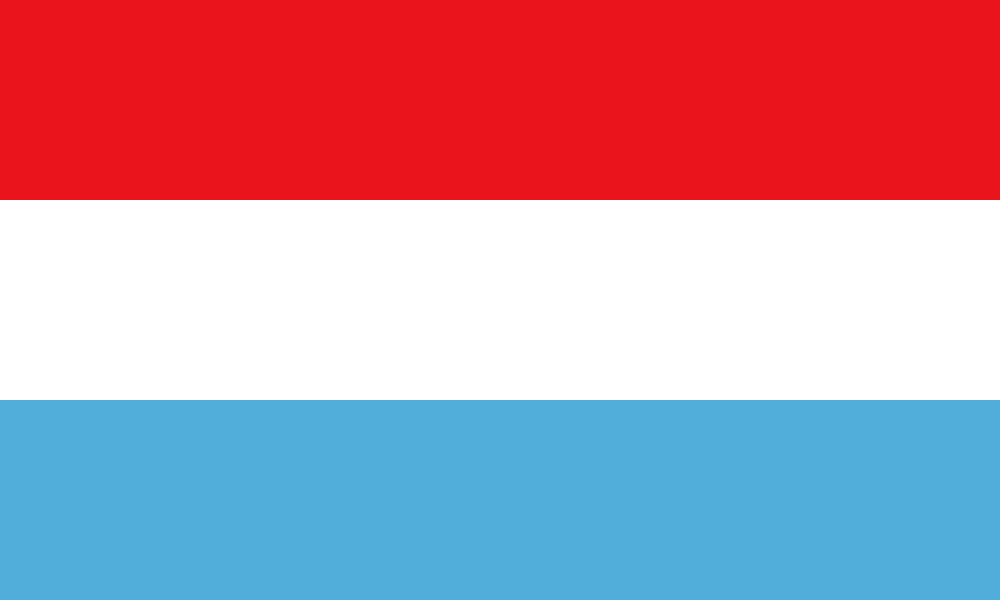
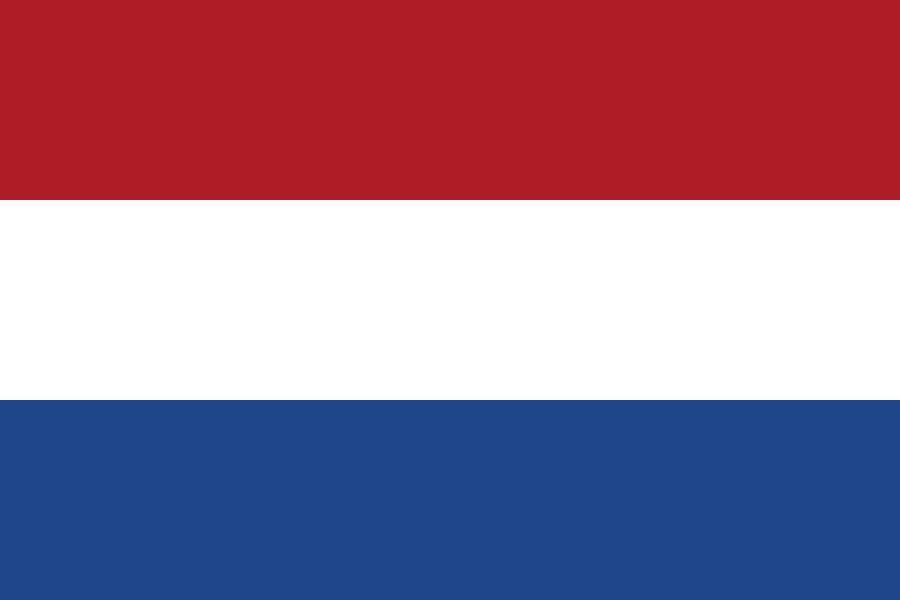
When two flags share the same basic tinctures and layout, statutory color specifications can codify an intentional visual separation. In 1993, a Grand-Ducal Regulation of 27 July fixed Luxembourg's flag colors as Pantone 032C red and Pantone 299C blue; the government explains that this sky blue was chosen to distinguish Luxembourg's flag from that of the Netherlands, whose blue is darker.
Key terminology & reference summary
| Concept / Term | Vexillological definition |
|---|---|
| Pantone (PMS) | Standardized spot-ink and textile color system cited in flag rules such as Romania's Law 75/1994, Luxembourg's 1993 flag regulation, Iceland's 2016 flag notice, Swiss federal specifications, and the Texas flag statute, and recommended in the Irish government's flag guidelines. |
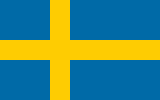
| CIE / CIELAB (XYZ / L*a*b*) | Device-independent colorimetric coordinates measured under standard daylight, used by Poland's 1980 Act and, alongside NCS, Sweden's 1983 flag-color ordinance. |
| Munsell & NCS | Perceptual color-order systems: Munsell values appear in Japan's Ministry of Defense flag specifications (the 1999 Act itself only names the disc 'crimson'), and NCS codes in Sweden's 1983 flag-color ordinance. |
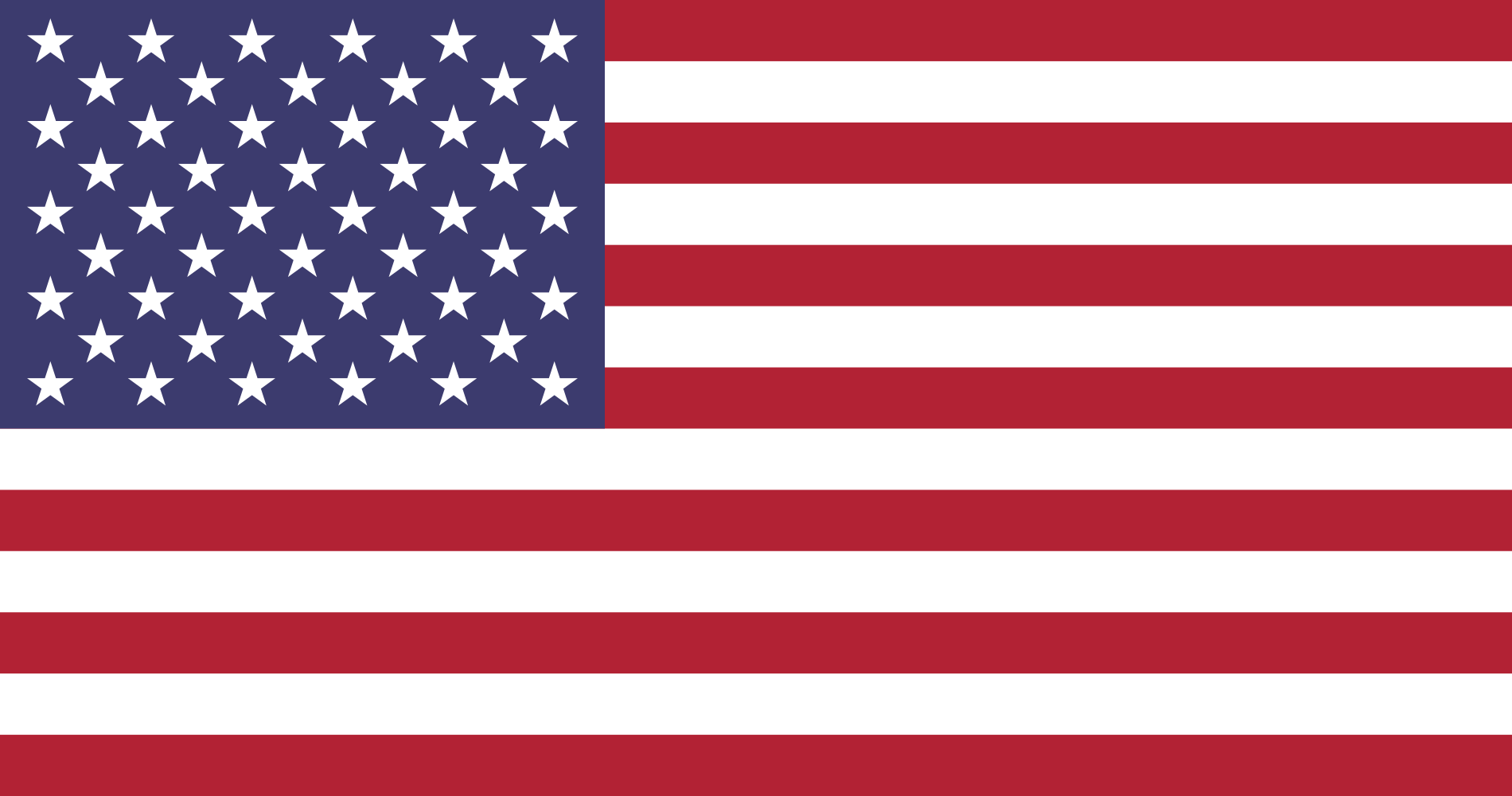
| Cable Number | Standard Color Reference of America cable numbers for dyed-silk color samples (e.g., 70180 Old Glory Red) used by the United States government. |