Major Flag Lineages — Dutch & French Tricolors, Nordic Crosses & Pan-African Banners
How a handful of foundational flags—the late-16th-century Dutch Prinsenvlag, Denmark's Dannebrog, the 1794 French Tricolore, and Ethiopia's green-yellow-red banner—shaped many of the world's national flags.
From the Dutch Prinsenvlag to the French Tricolore
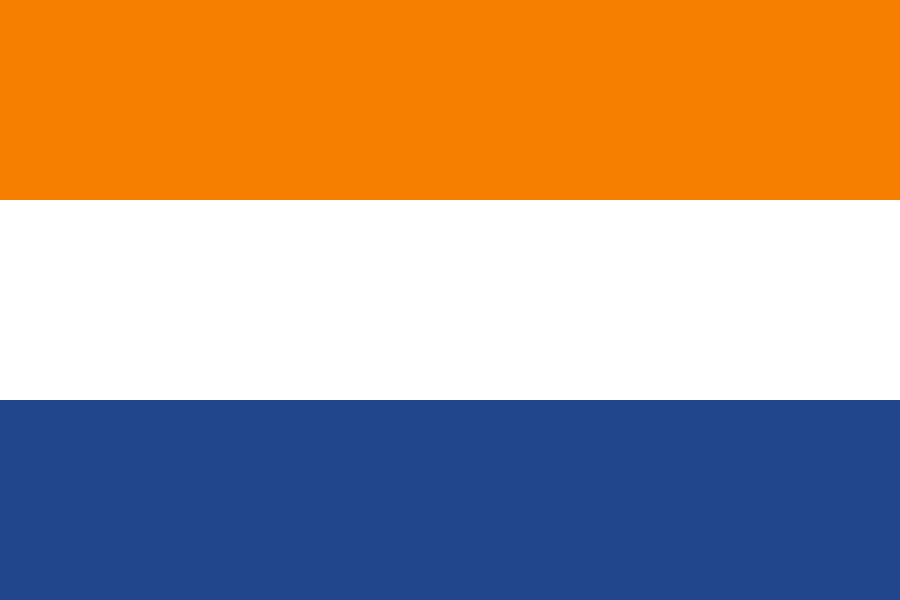
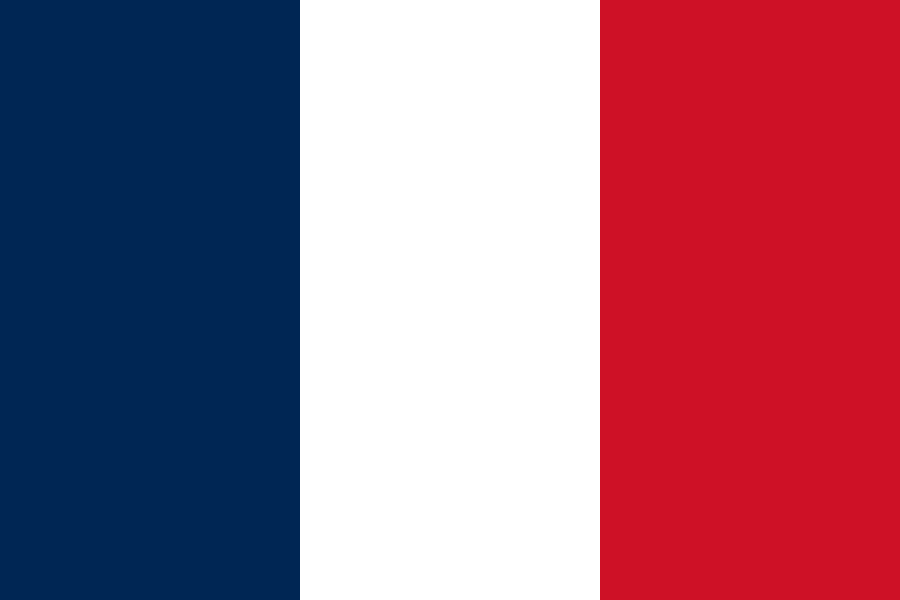
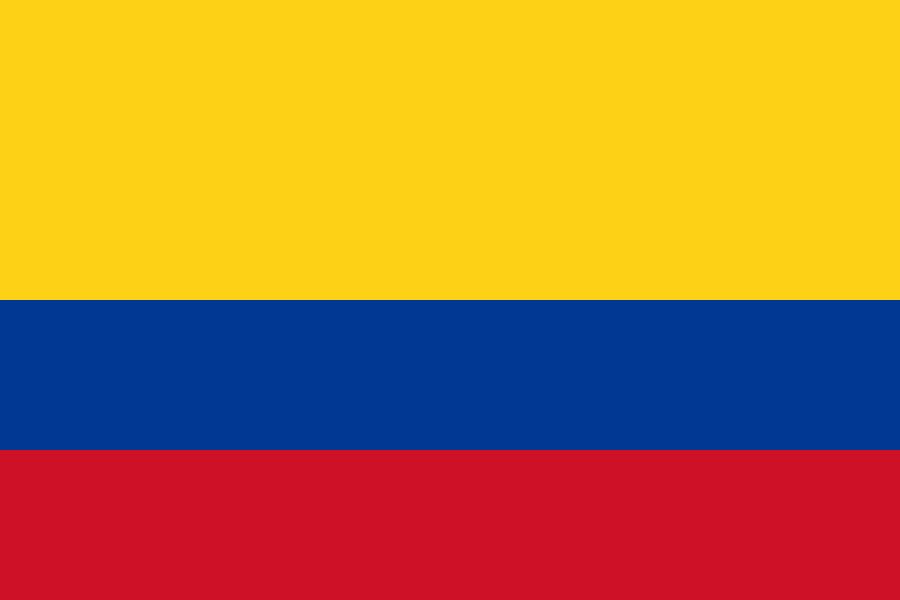
The orange-white-blue Prinsenvlag of the late-16th-century Dutch Revolt is often cited as the first modern tricolor; it gave way to the red-white-blue Statenvlag during the 17th century and is widely seen as a model for later horizontal tricolors. France's vertical blue-white-red Tricolore, fixed in its current order by a decree of 15 February 1794, grew out of the revolutionary cockade that combined the red and blue of Paris with white; it is not documented as a deliberate rotation of the Dutch flag.
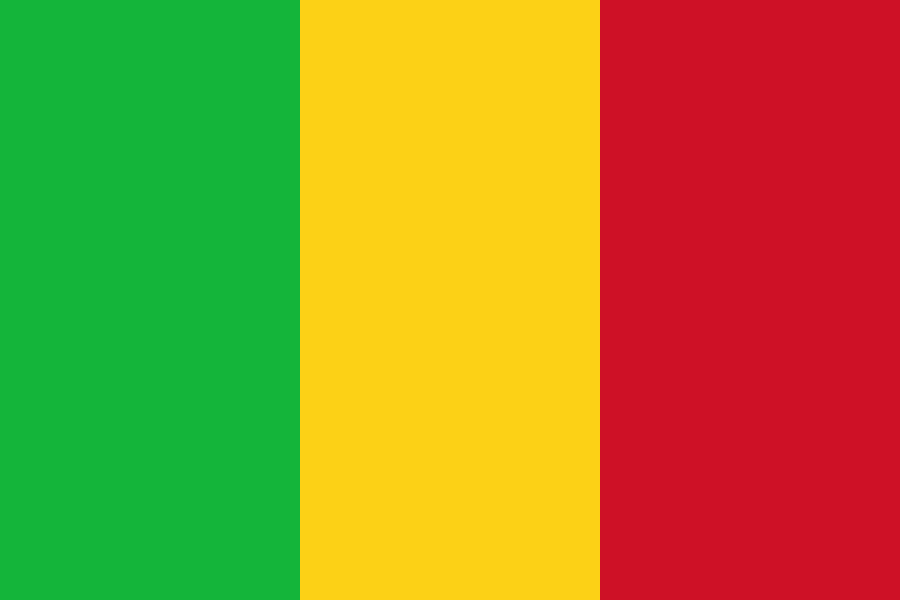
From the 1790s onward the vertical tricolor layout spread across Europe (Italy, Belgium, Ireland, Romania), and at independence in 1958–61 it was adopted across West and Central Africa (Chad, Côte d'Ivoire, Mali, Guinea, Senegal).
The Nordic cross and Pan-African families
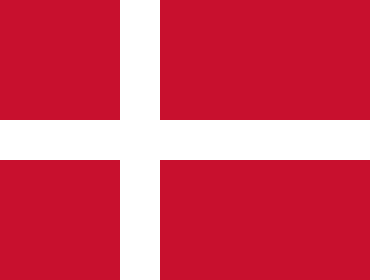
Every sovereign Nordic nation flies a Nordic cross generally regarded as following Denmark's Dannebrog: Sweden (blue and gold), Norway (Denmark's flag charged with a dark blue cross fimbriated in white), Finland (blue cross on white), and Iceland (the inverse of Norway's colors).
In West Africa, the 1958–1961 independence wave paired the French vertical tricolor structure with the Pan-African green, yellow, and red colors of Ethiopia, producing the sibling flags of Guinea, Senegal, and Mali.
Key terminology & reference summary
| Concept / Term | Vexillological definition |
|---|---|
| Dutch Tricolor Lineage | Tricolors grouped with the late-16th-century Prinsenvlag and the 17th-century Statenvlag, most of them horizontal; membership does not imply documented descent. |
| French Tricolor Lineage | Mostly vertical three-band flags inspired by the 1794 French Tricolore. |
| Nordic Cross | Northern European flags with a hoist-shifted Christian cross descending from Denmark. |
| Pan-African Palette | Green, gold/yellow, and red colors adopted from Ethiopia as emblems of African independence. |