Flag Aspect Ratios & Statutory Proportions Explained
Why national flags range from 1:1 squares (Switzerland) and 13:15 near-squares (Belgium) to the common 2:3, the elongated 10:19 (United States) and 1:2 (United Kingdom and many ensigns), and Qatar's extra-long 11:28.
How height-to-width proportions are written
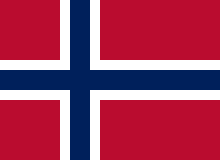
Vexillologists conventionally express a flag's aspect ratio as Hoist : Fly (Height : Width)—for example, 2:3 means a flag is 2 units tall for every 3 units wide (a decimal ratio of 1:1.50). Whenever a flag contains an internal geometric grid, such as a Nordic cross, the statute often writes the overall ratio as the sum of those internal units: Norway's 6:1:2:1:6 by 6:1:2:1:12 grid sums to 16:22, which simplifies to 8:11.
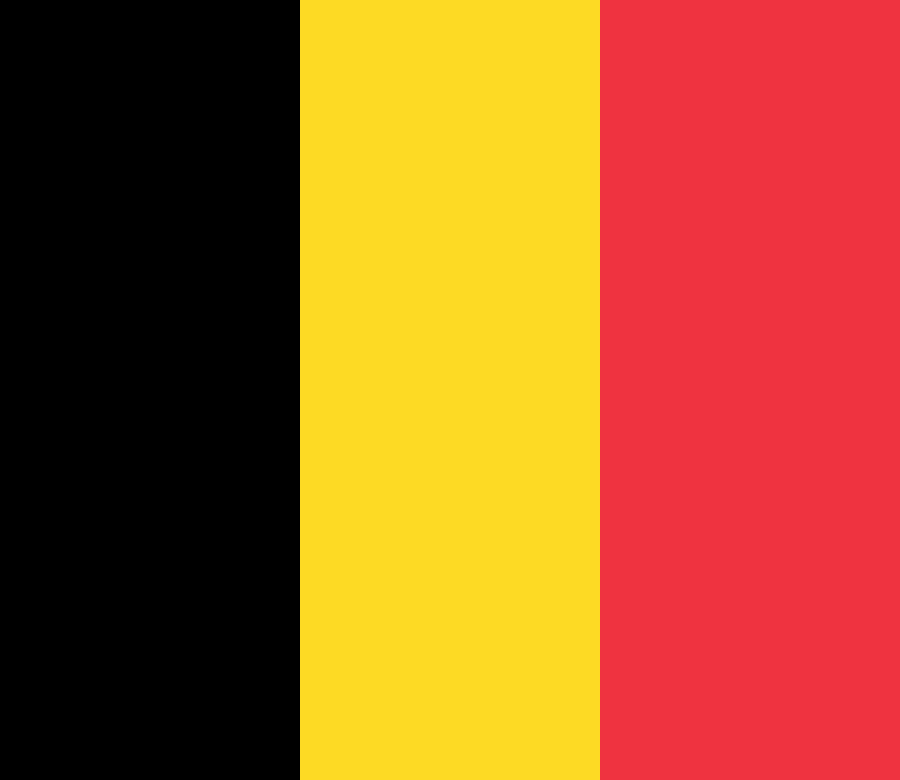
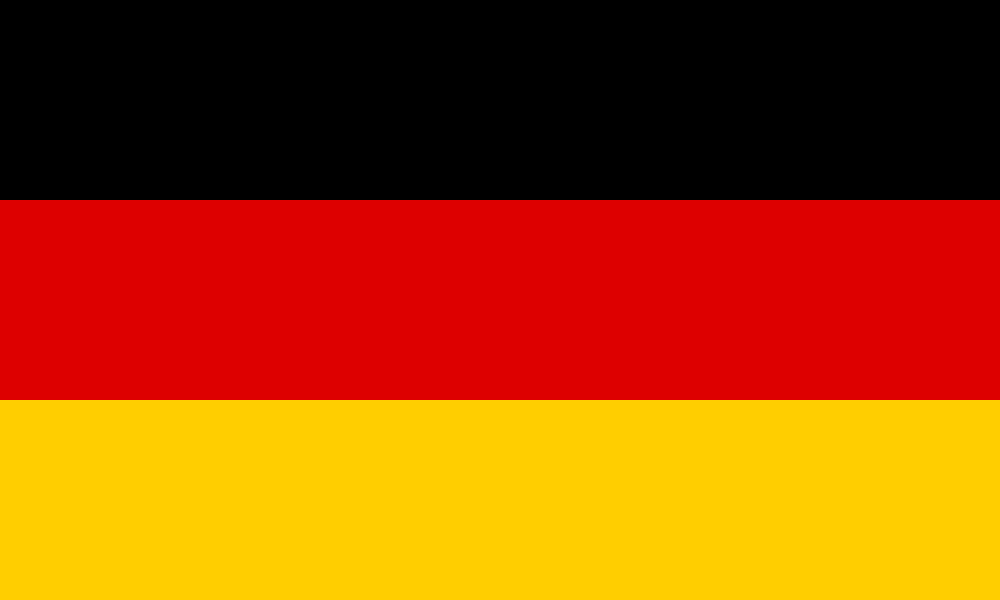
In side-by-side look-alike comparisons, aspect ratio is frequently the single most reliable structural distinction. Monaco (4:5 in the annex to its 1881 decree, though now almost always flown at 2:3) and Indonesia (2:3) share identical red-over-white horizontal stripes, and the Netherlands (2:3), Luxembourg (3:5 or 1:2), Germany (3:5), and Belgium (13:15) differ in shape even though none of these ratios is set by a constitution—they come from laws, decrees, government orders, or long-standing custom.
Historical origins of square vs. elongated ratios
Many medieval and early-modern land banners were square or nearly square, and Switzerland's square national flag continues the tradition of square Swiss military banners. Belgium's 13:15 shape, by contrast, is not set by its constitution; it traces to a 19th-century directive whose date has not been traced, and 2:3 is also widely used.
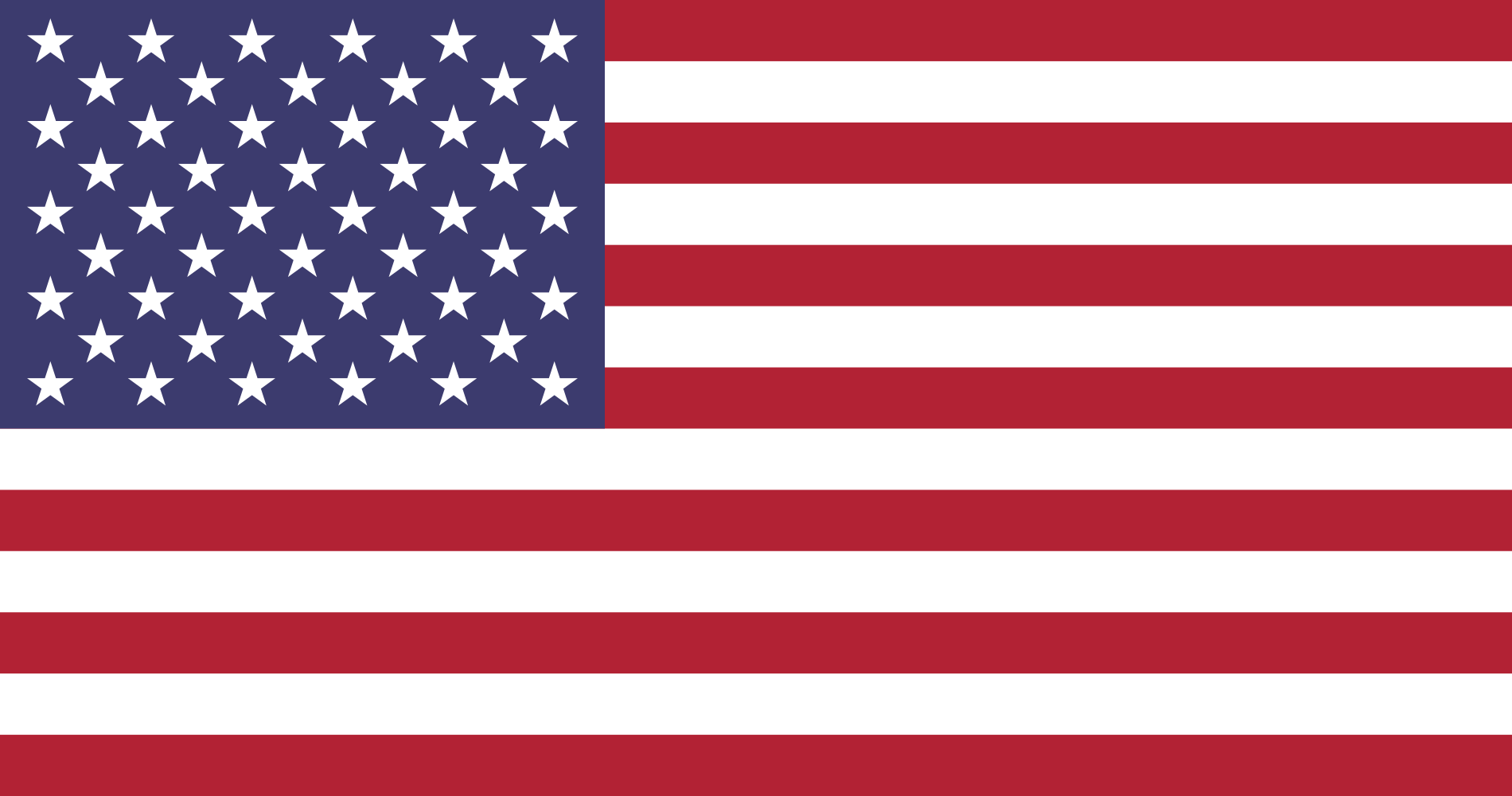
By contrast, many flags flown at sea are longer: British ensigns and the Union Flag are commonly made in 1:2, a shape several Commonwealth countries kept for their national flags. The United States' 10:19, set by executive order for federal flags in 1912, appears to follow U.S. Navy practice: Navy allowances of 1862 already prescribed an ensign depth of ten-nineteenths of its length.
Key terminology & reference summary
| Concept / Term | Vexillological definition |
|---|---|
| 1:1 (Square) | Equal height and width, used by the national flags of Switzerland and Vatican City (the Red Cross emblem is often shown square, though the Geneva Conventions fix no proportions). |
| 4:5 & 13:15 | Compact, near-square rectangular proportions used by flags such as Belgium (13:15), Niger (6:7), and Monaco (4:5). |
| 2:3 (1:1.50) | The most common national flag proportion worldwide, used across Europe, Africa, Asia, and South America. |
| 3:5 & 5:8 | Intermediate wide rectangles (1:1.67 and 1:1.60) used by flags such as Germany, Bangladesh, Luxembourg (which also permits 1:2), Poland, and Sweden. |
| 10:19 & 1:2 | Elongated proportions (1:1.90 and 1:2.00) used by flags such as the United States, United Kingdom, Ireland, and Cuba. |